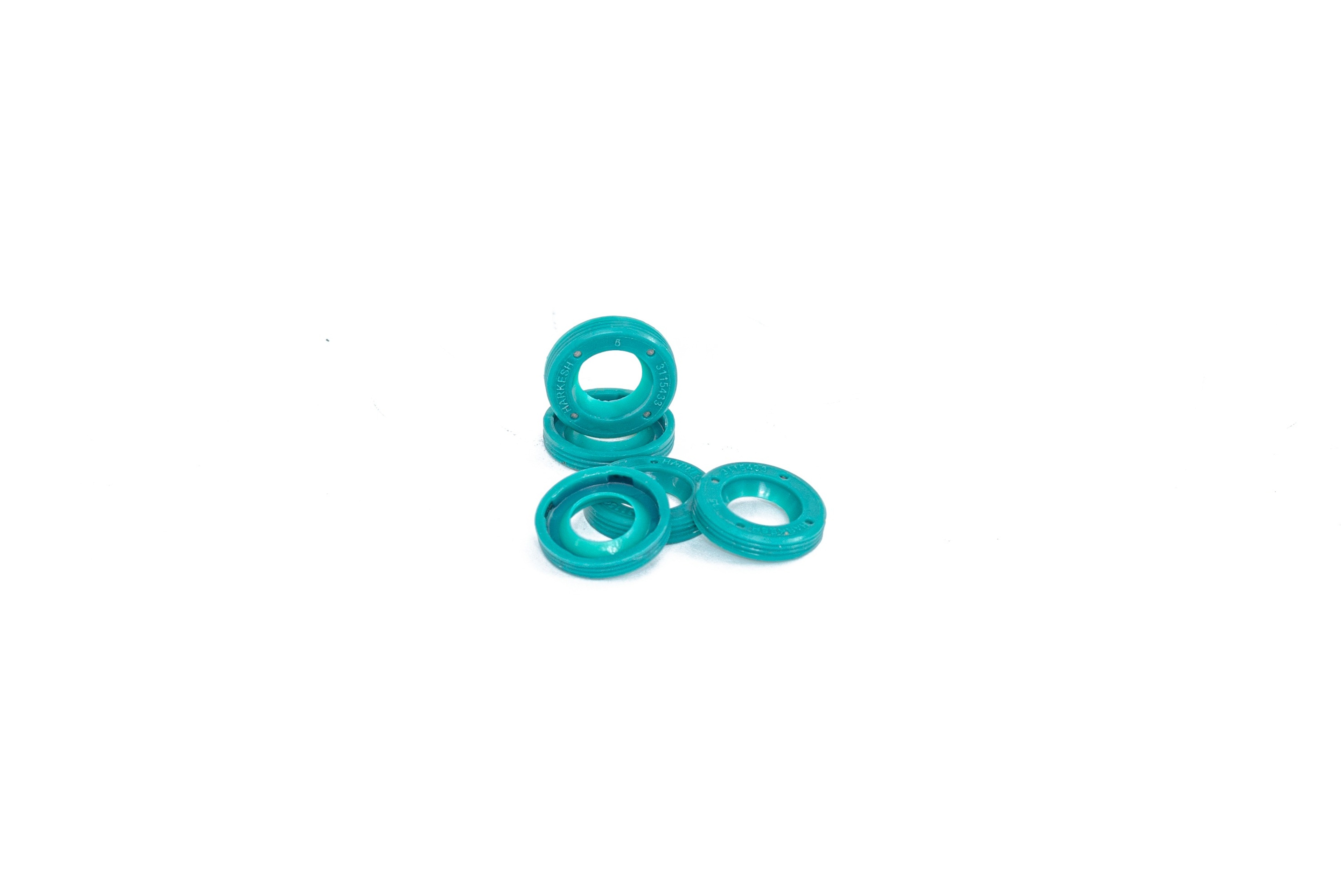
High-quality bonded components
Rubber to Metal Bonded Parts
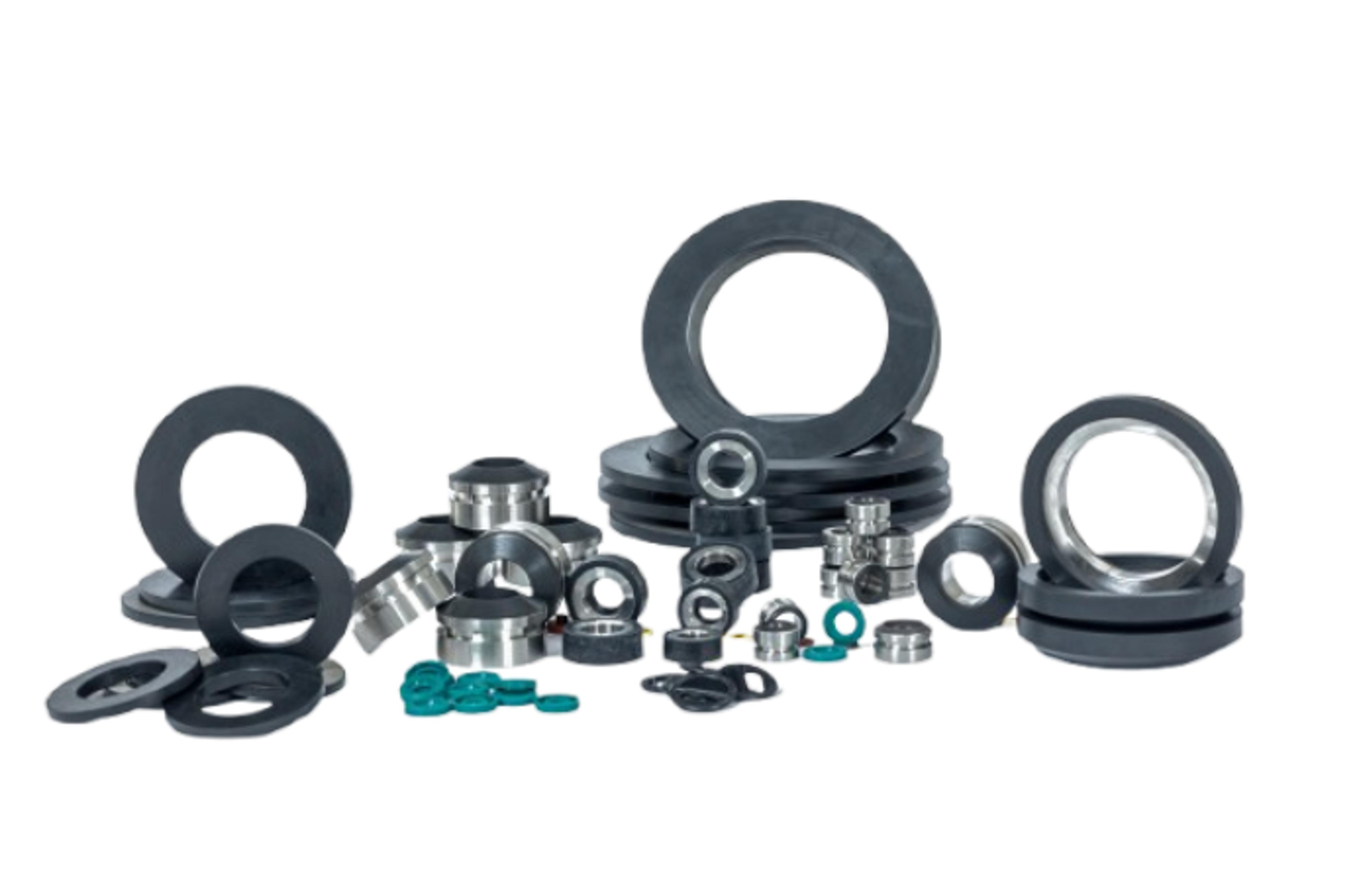
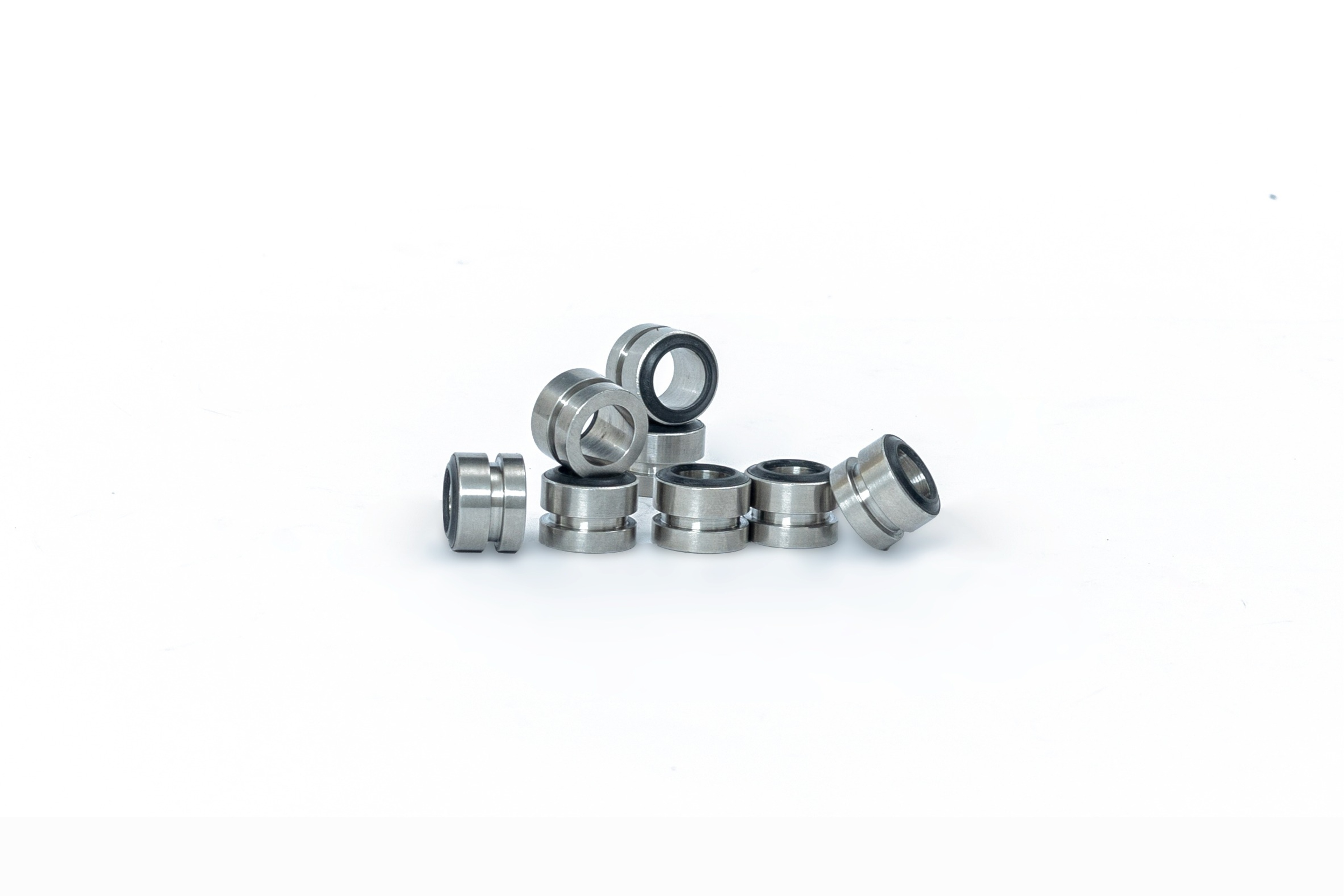
At Harkesh Rubber LLP, we specialize in manufacturing high-quality rubber-to-metal bonded components that combine the strength of metal with the flexibility of rubber. Our solutions are engineered for durability, precision, and optimal performance across diverse industrial applications.
Salient Features
REACH, ROHS, EN 549, WRAS
Approved compounds
Flash levels
<0.10mm
Reliable adhesion
Between rubber and metal
Ensures precision fit
for critical applications
Characteristic
Extremely Robust
Not sure which material fits your application?
Talk to an engineer →How to select bonded parts
Define the loading
Compression, shear, or torsion? Static or dynamic vibration isolation?
Choose the design
Cylindrical mounts, bushings, or custom geometry? Reinforced or non-reinforced?
Select the elastomer
NBR for general duty, EPDM for weathering, natural rubber for high resilience.
Specify the metal substrate
Steel, stainless, aluminum? Surface prep (grit-blast + prime) ensures durable adhesion.
Common bonded-part failures
Bond Failure
Separation of the rubber from the metal insert caused by excessive stress, poor surface preparation, inadequate bonding, or prolonged service conditions.
Corrosion
Metal inserts may rust or corrode when exposed to moisture, chemicals, or harsh environments, reducing structural integrity and bond performance.
Fatigue Cracking
Repeated mechanical loading and vibration can gradually initiate cracks in the rubber, eventually leading to component failure.
Compression Set
Long-term compression causes the rubber to lose its elasticity, reducing its ability to absorb vibration, maintain alignment, or provide effective sealing.
Chemical Damage
Exposure to incompatible oils, solvents, fuels, or chemicals can cause the rubber to swell, harden, soften, or crack, resulting in reduced performance and premature failure.
FAQ
Find answers to common questions about our products and services.
They are used for vibration isolation, sealing, shock absorption, mounting, and structural support in automotive, industrial, and engineering systems.
Yes. We produce customized bonded components based on drawings, applications, and specific material requirements.
We use specialized bonding agents, surface treatments, and controlled molding processes to achieve durable and consistent adhesion.
These parts are widely used in automotive systems, machinery, pumps, compressors, and industrial equipment.
Yes. All compounds meet REACH, ROHS, EN 549, and WRAS compliance standards.