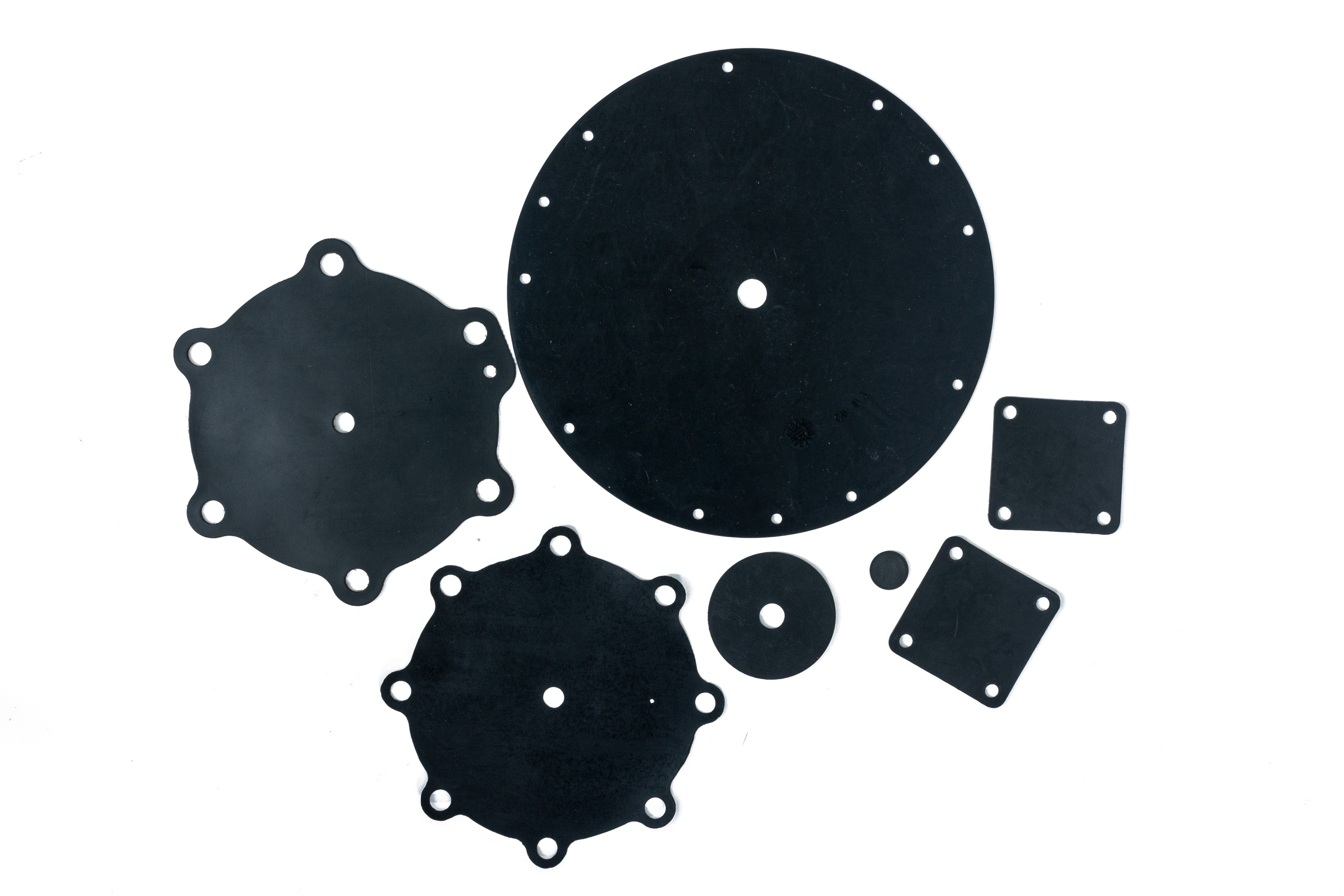
Custom Rubber Diaphragms for Critical Applications
Rubber Diaphragms
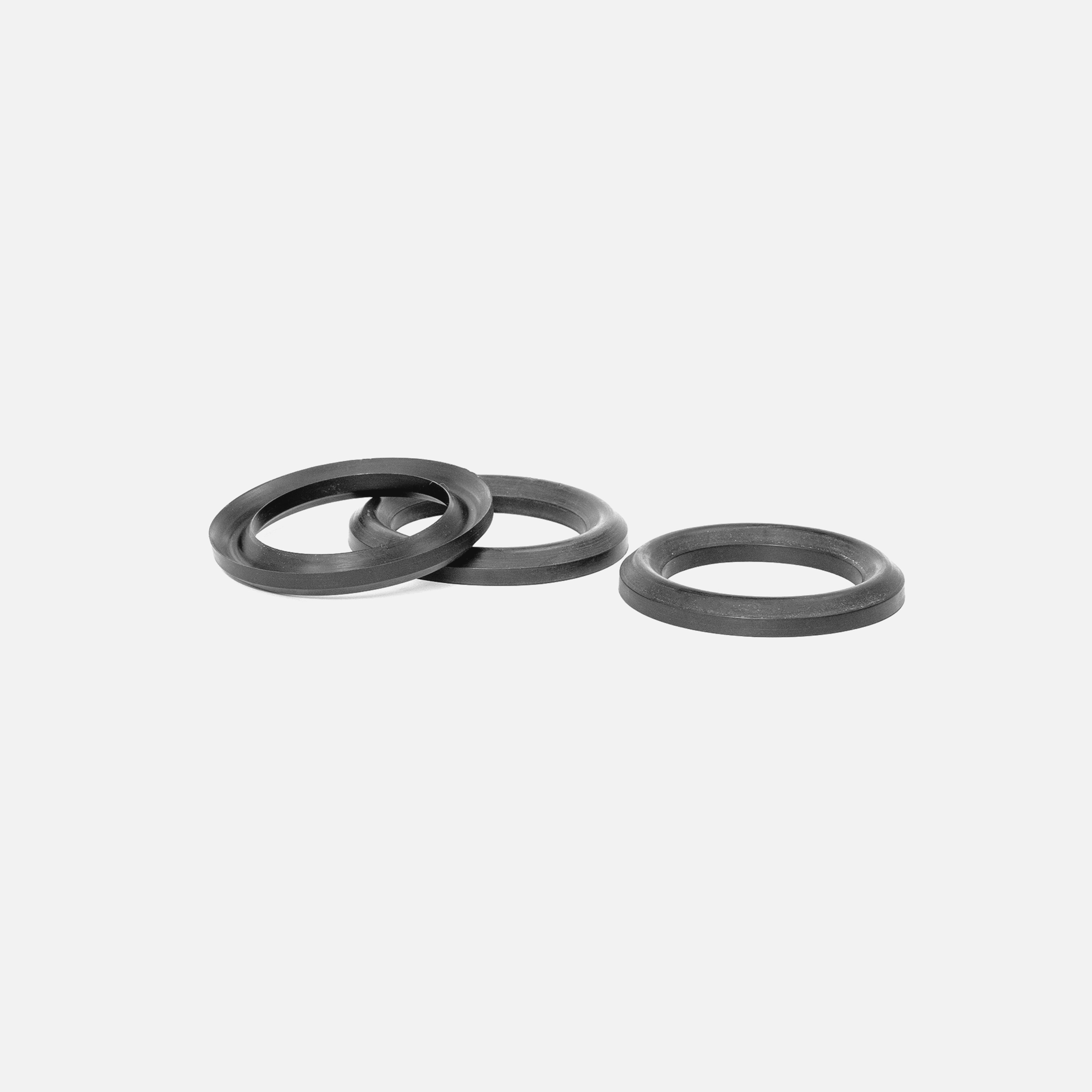
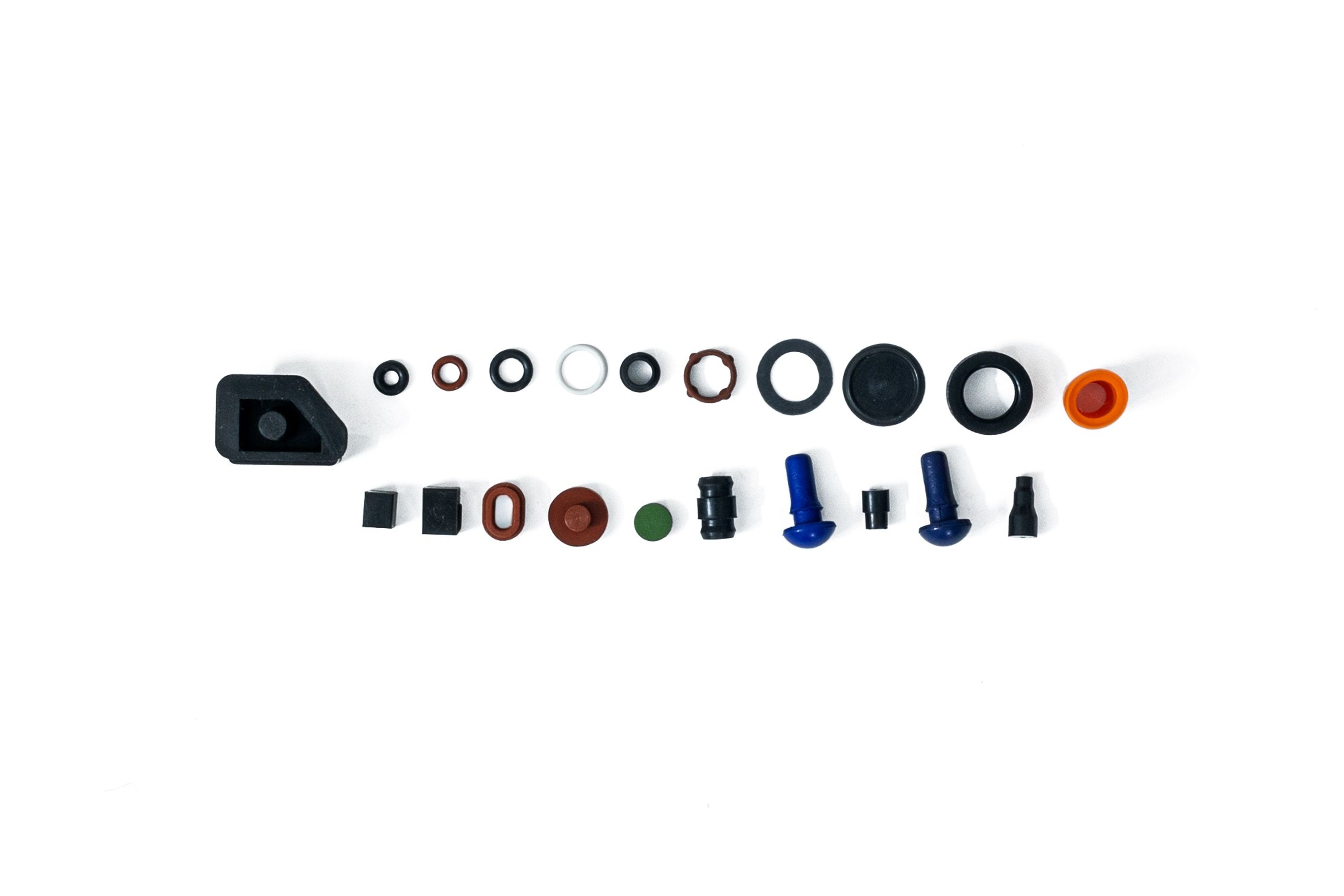
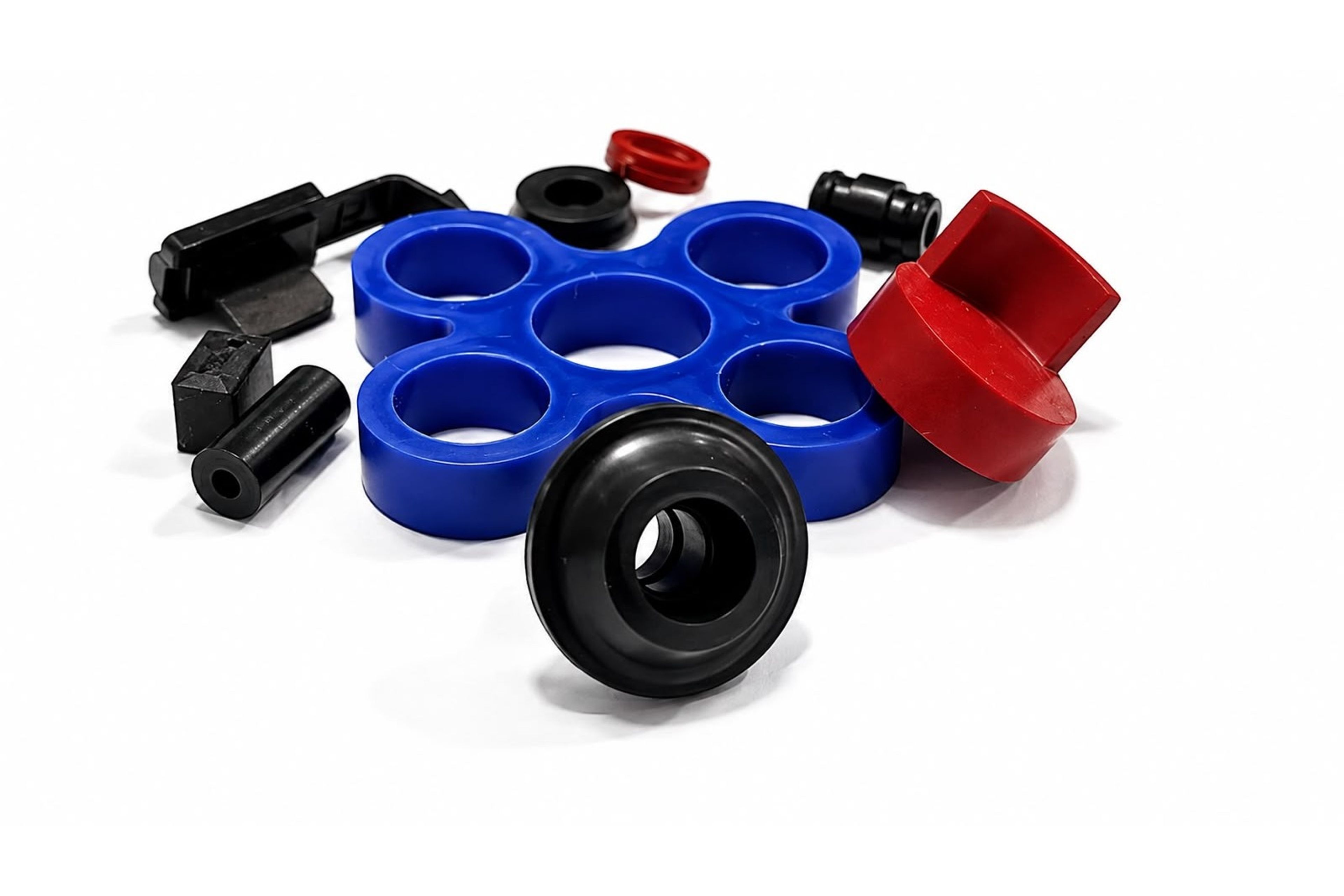
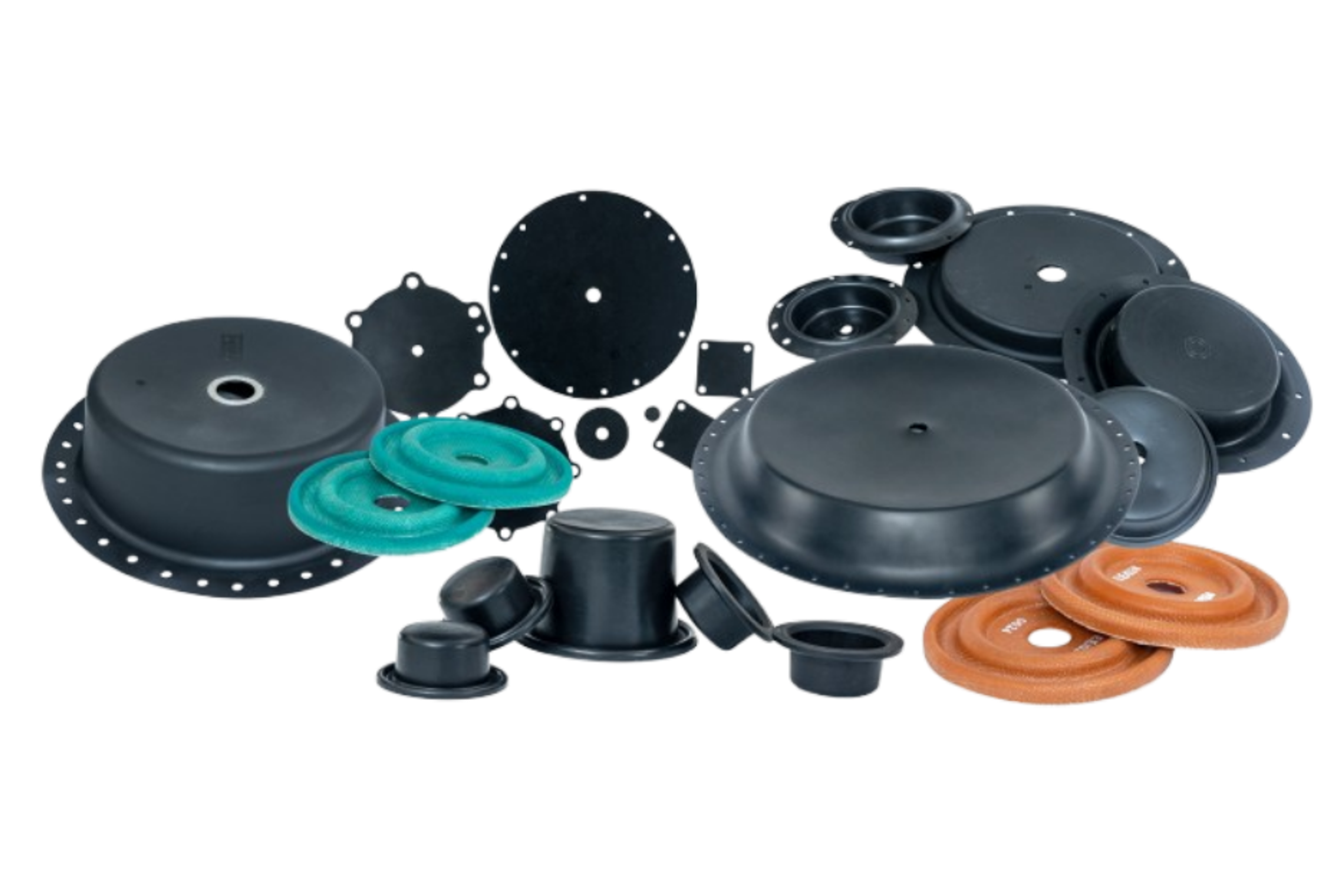
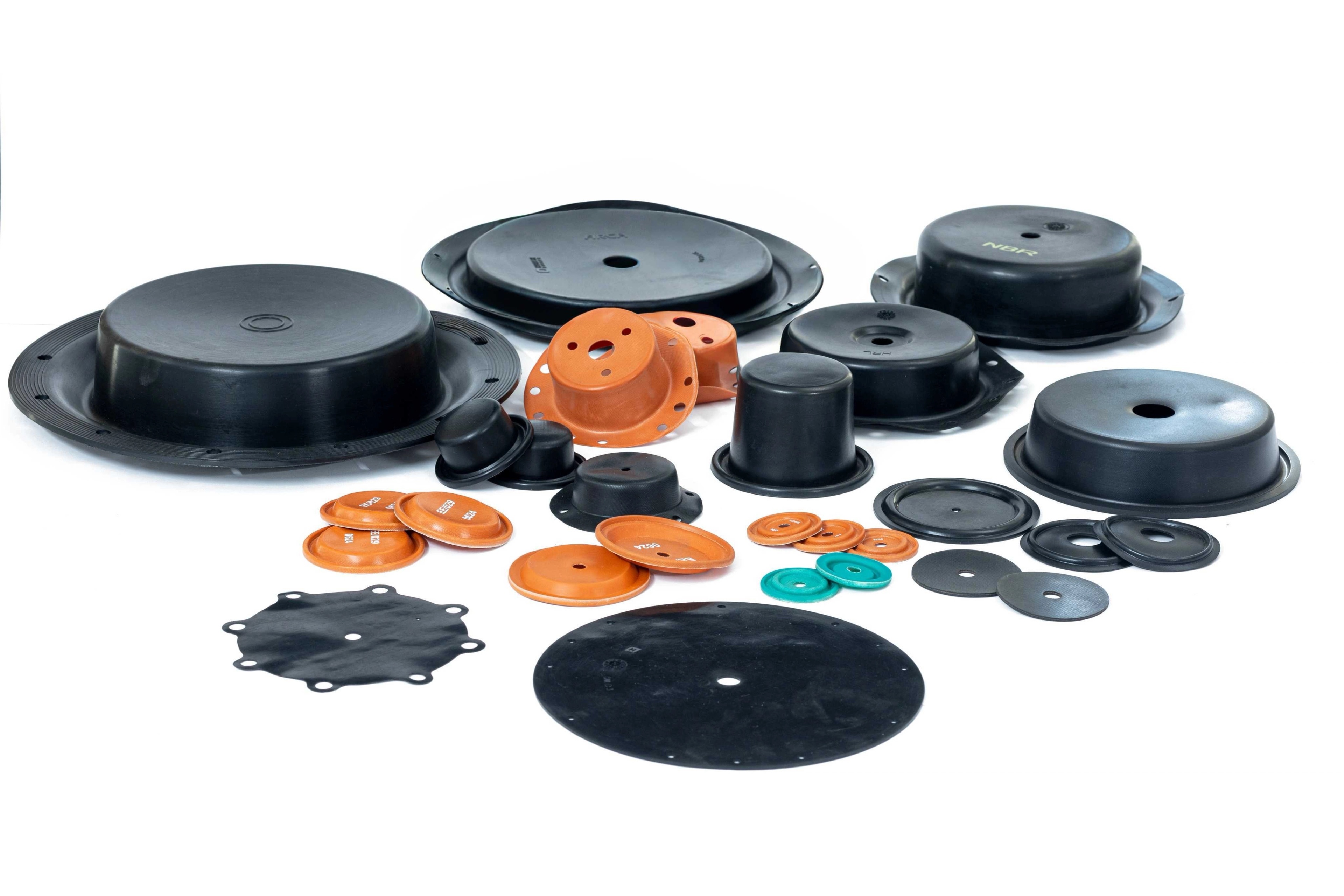
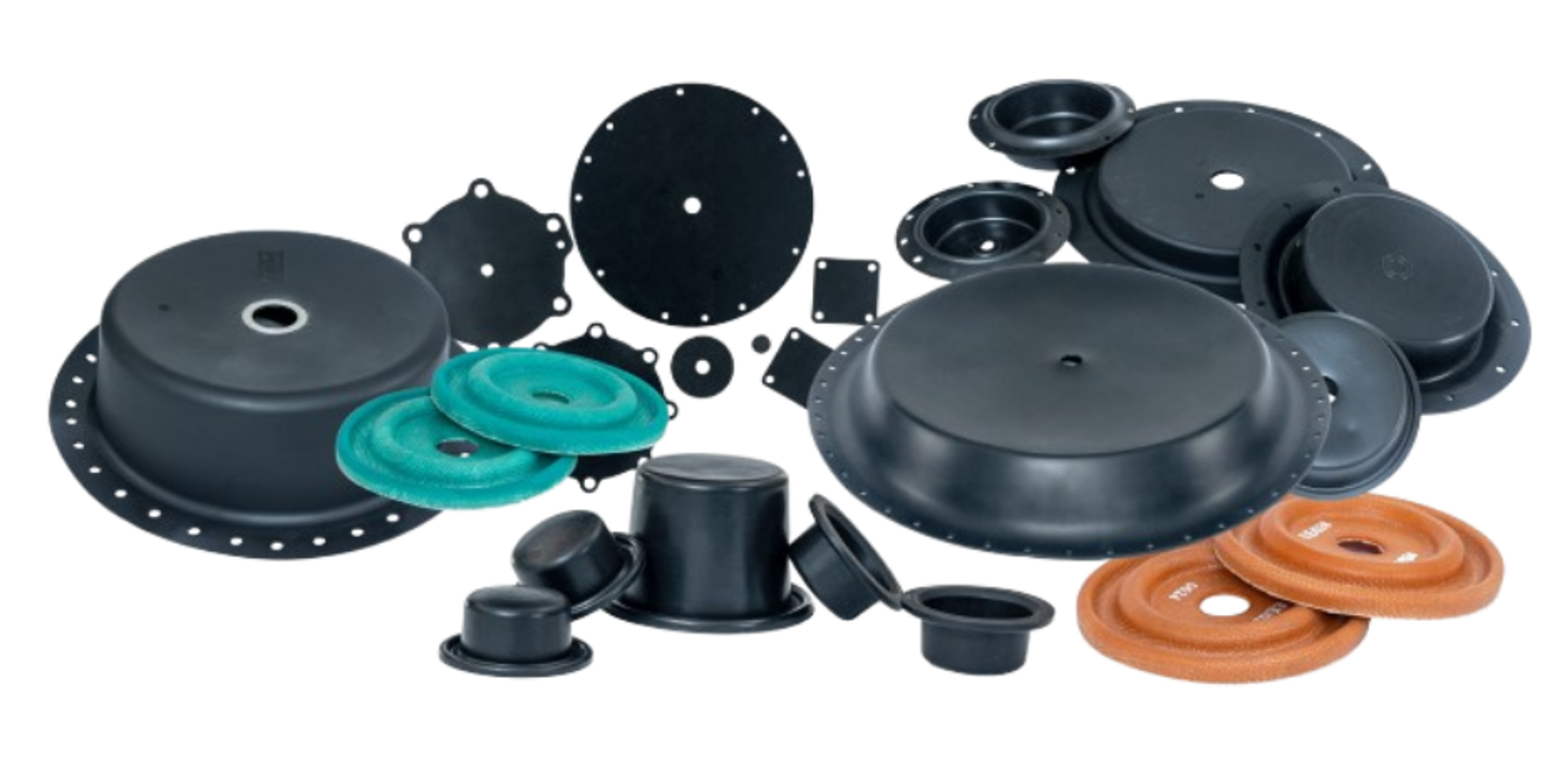
At Harkesh Rubber LLP, we specialize in manufacturing both reinforced and non-reinforced diaphragms, trusted by leading OEM's worldwide. Our expertise extends across a wide range of designs, including Convoluted, Rolling, Flat, Crimped, Spherical, and many more customized to meet diverse industrial applications.
We can only show the tip of the iceberg here. Challenge us with your requirements!
Salient Features
Low temperature
up to -80°C
Proven durability
Over 5 million cycles at 50 bar pressure
Size range
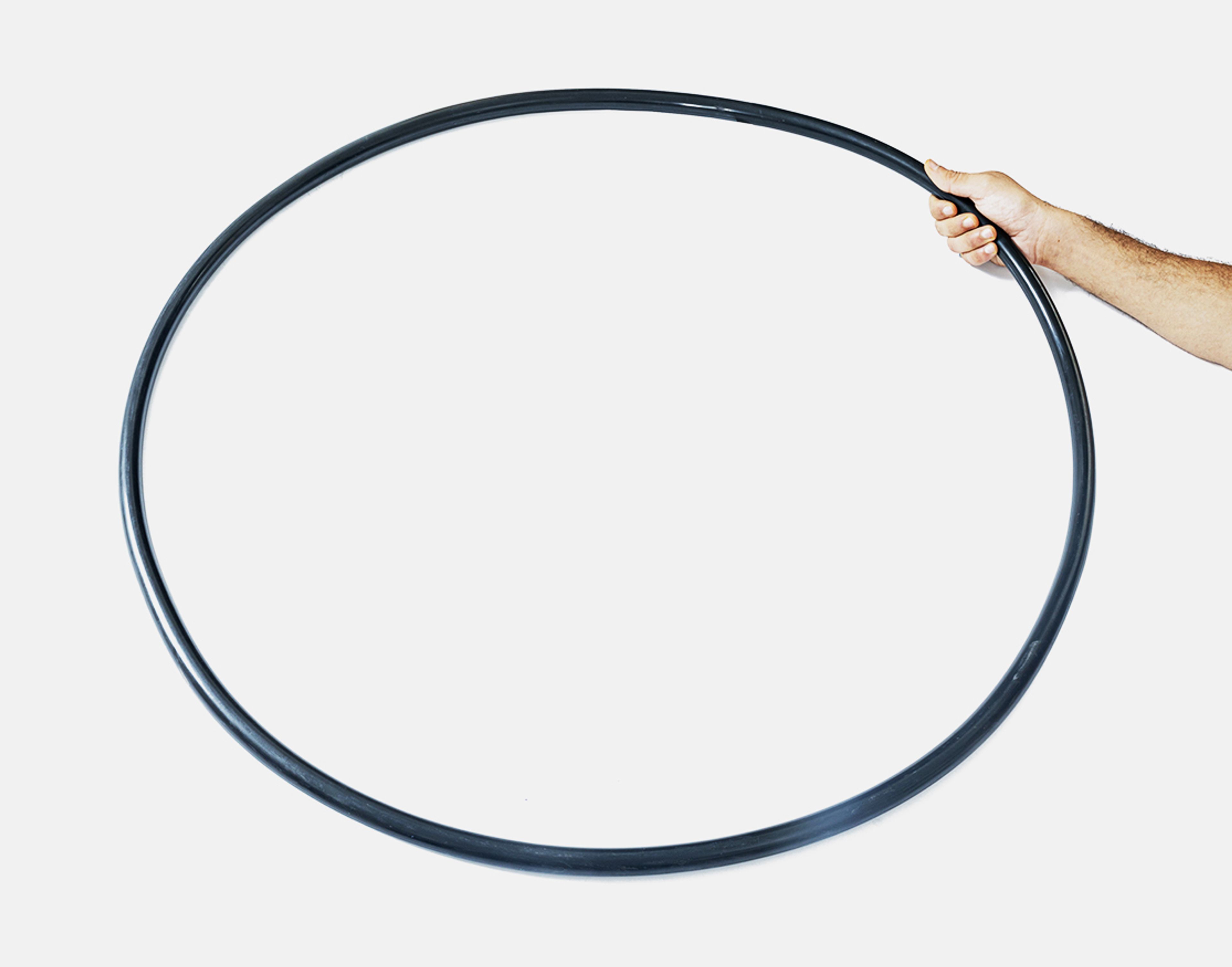
8mm upto 1200mm
Fabric Types
Nylon, Polyester, Nomex, Dacron and 50 different fabrics
REACH, ROHS, EN 549, WRAS
Approved compounds
Temperature range
-80°C to 330°C
Not sure which material fits your application?
Talk to an engineer →Types of diaphragms
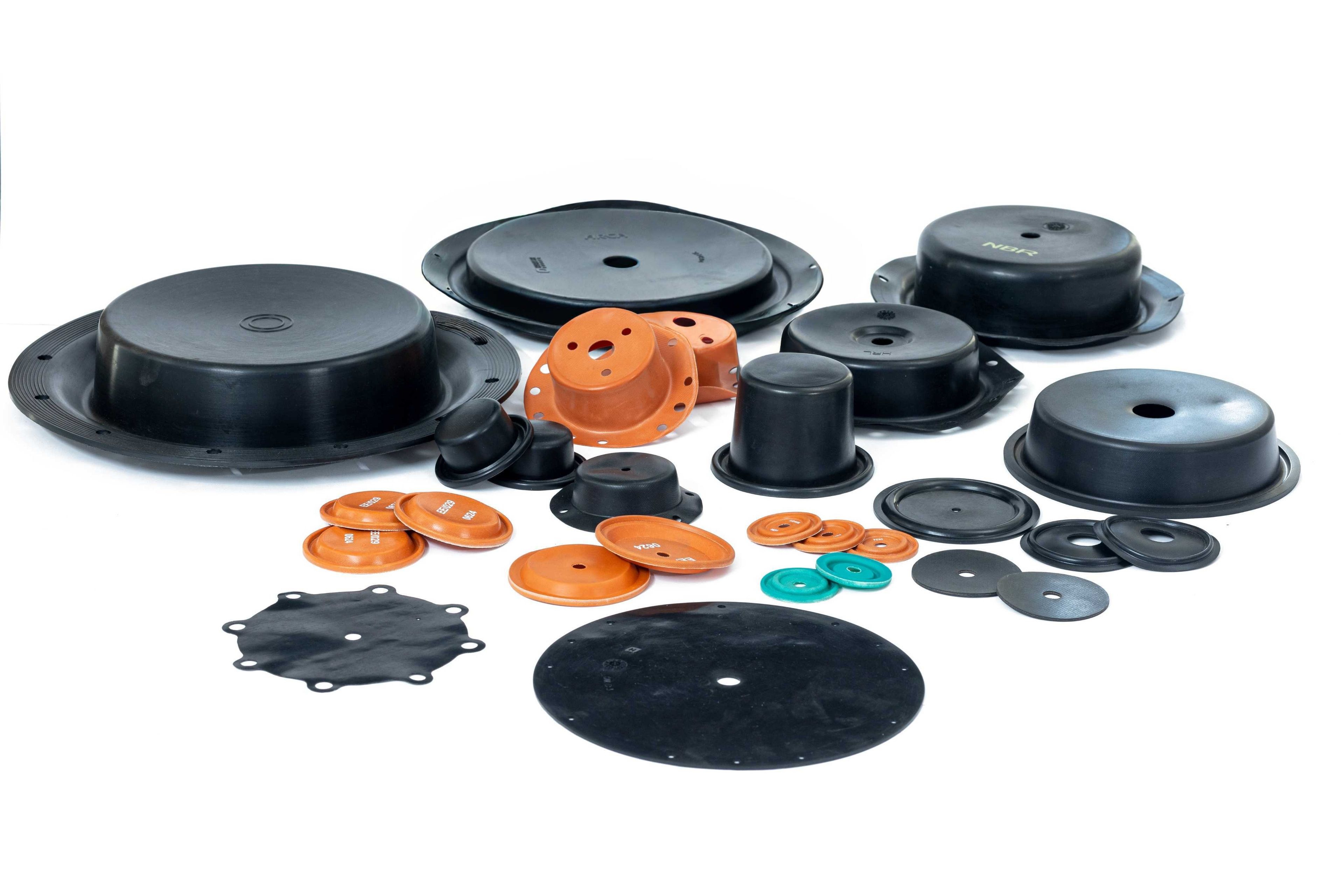
Double Coated Diaphragms
Designed for applications exposed to pressure from both sides, these diaphragms feature fabric reinforcement in the centre, delivering reliable sealing, flexibility, and long-lasting performance.
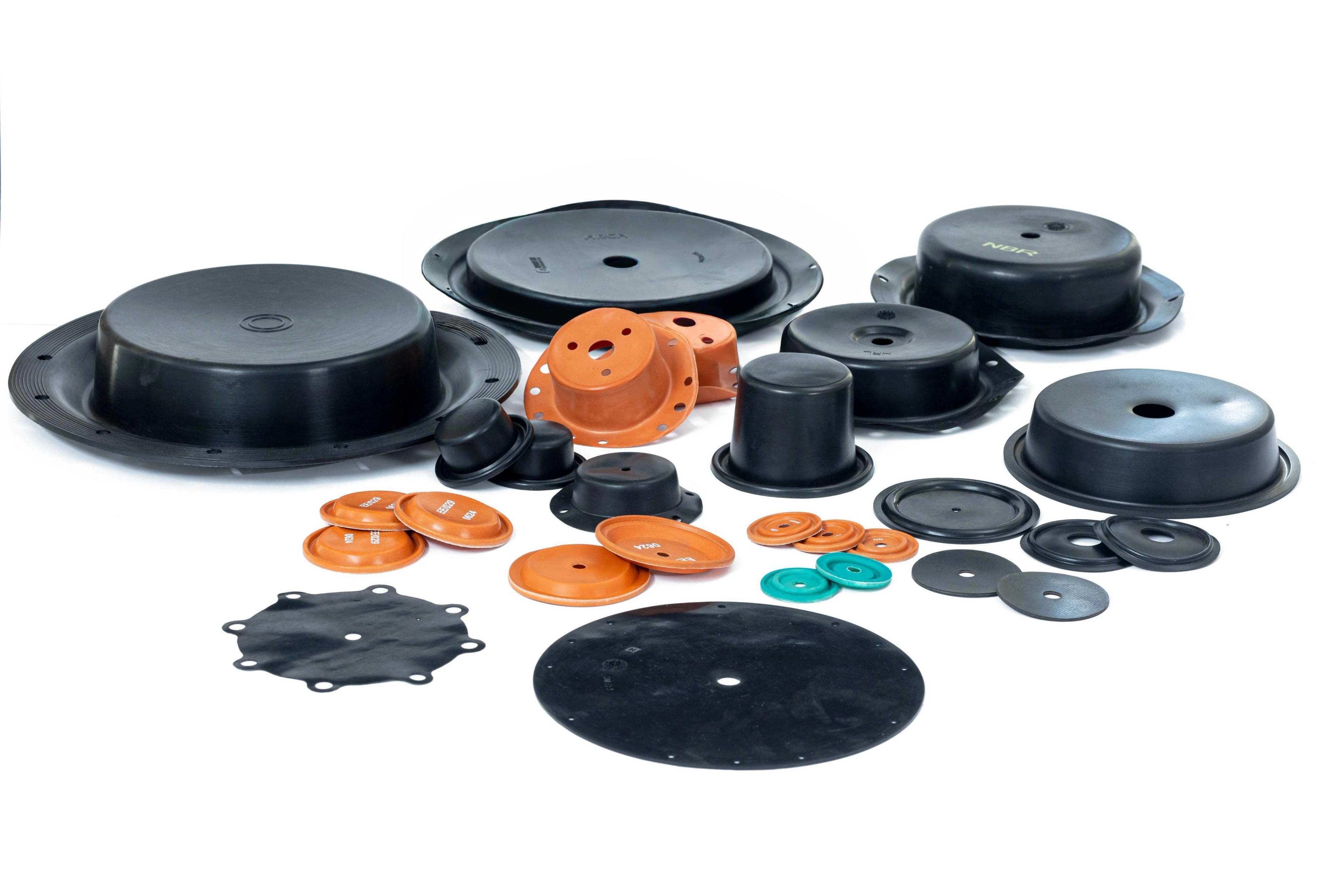
Single Coated Diaphragms
Designed for applications exposed to pressure from one side, these diaphragms feature fabric reinforcement on a single side, providing reliable sealing, flexibility, and consistent performance.
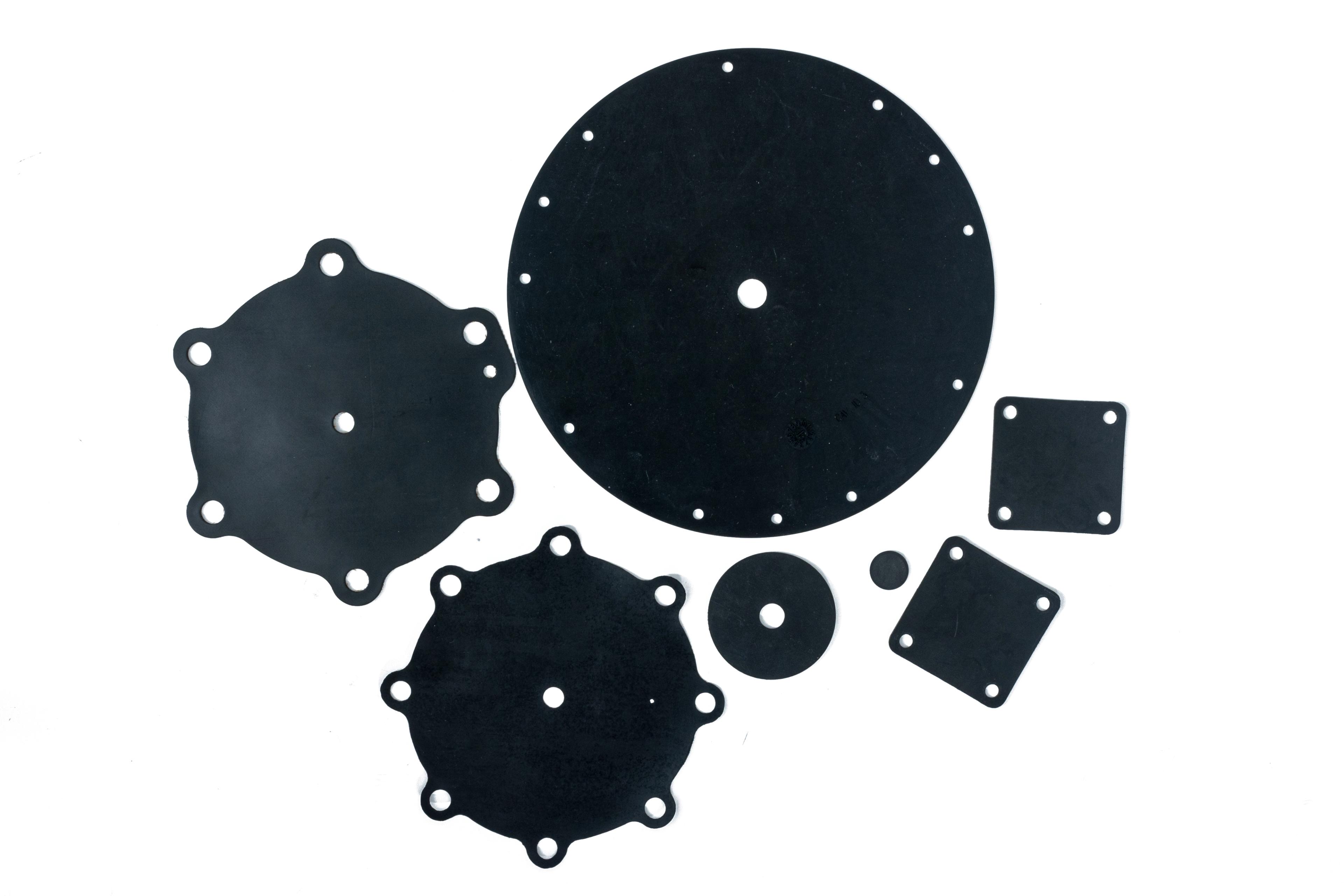
Convoluted Diaphragms
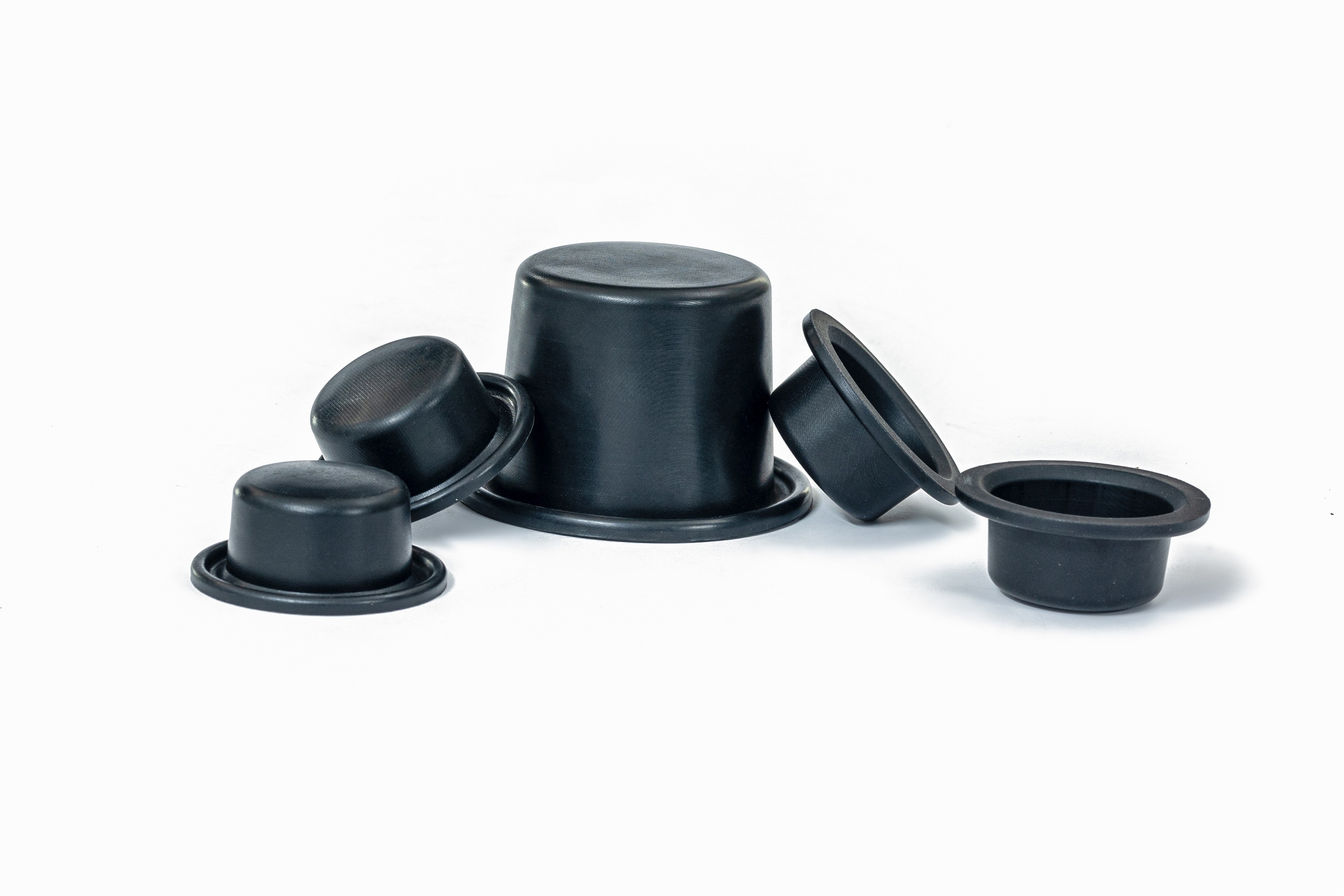
Designed for applications requiring greater flexibility and extended stroke, these diaphragms feature one or more convolutions to reduce stress, improve movement, and ensure reliable sealing over repeated cycles.
Rolling Diaphragms
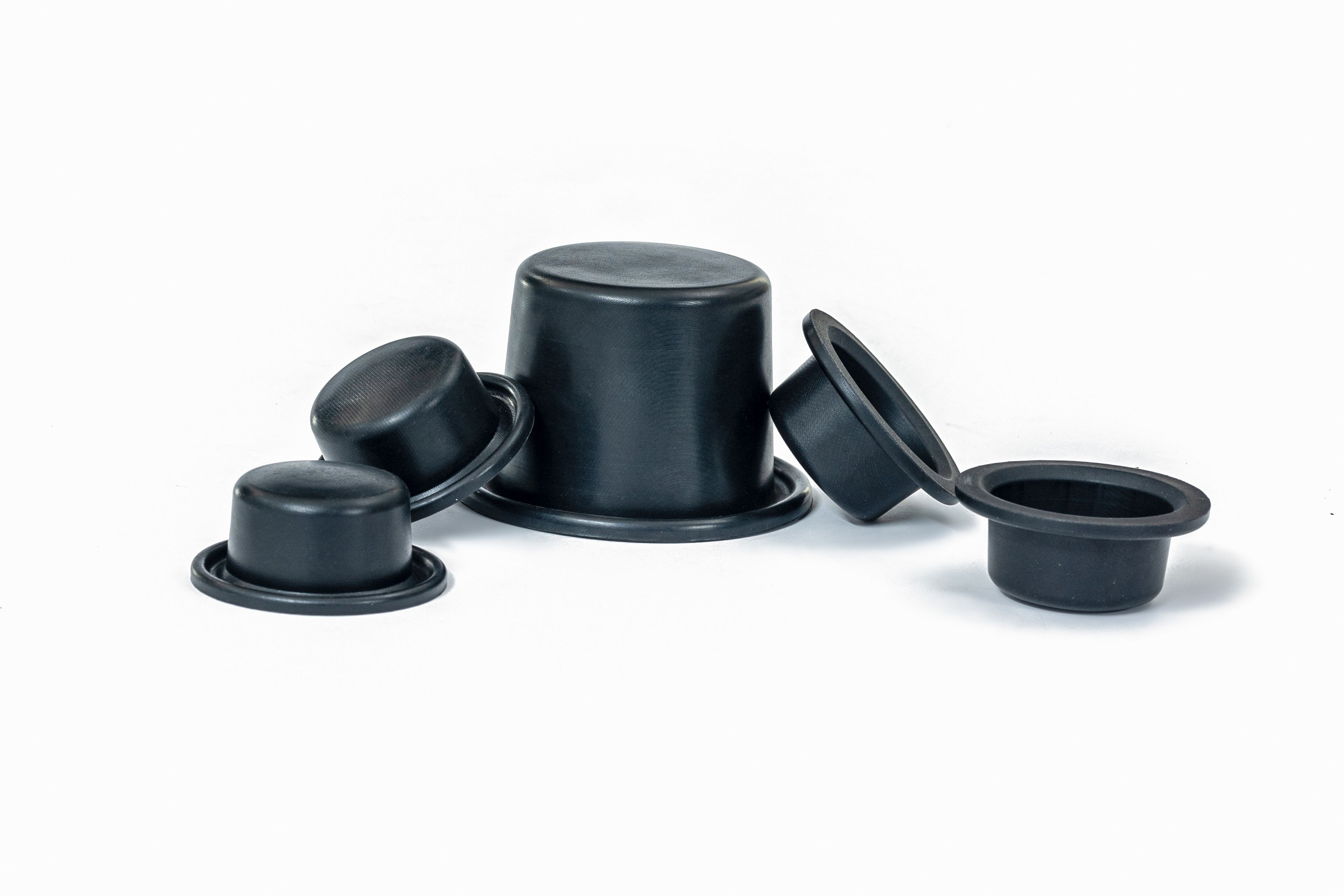
Designed for applications requiring larger stroke and precise linear motion, these diaphragms roll smoothly during operation, delivering low friction, reduced wear, and reliable performance.
Flat Punched Diaphragms
Manufactured from precision-cut rubber sheets, flat punched diaphragms offer economical sealing solutions for static and low-displacement applications while maintaining consistent dimensional accuracy.
Companies We Keep
Trusted by leading industrial companies worldwide




How to select a diaphragm
Material Compatibility
Select an elastomer that is compatible with the operating media, chemicals, oils, gases, or environmental conditions to ensure optimal performance and long service life.
Operating Pressure
The diaphragm must withstand maximum system pressure and mechanical loads without excessive deformation, extrusion, or structural failure during service.
Operating Temperature
The selected material must maintain its mechanical and sealing properties throughout the expected operating temperature range. Exposure beyond its recommended limits can significantly reduce performance and service life.
Reinforcement Requirements
High-pressure or high-load applications may require fabric-reinforcement to improve dimensional stability and mechanical strength. It depends on the pressure requirement and the fabric placement depends on the pressure side. It will either be "One sided Fabric" or "Centre Fabric".
Common diaphragm failures
Fatigue Failure
Repeated cyclic loading gradually weakens the material, eventually resulting in cracks or complete mechanical failure.
Burst Failure
Occurs when operating pressure exceeds the component's design limits, causing the rubber to rupture and resulting in a sudden loss of containment and functionality.
Delamination
In reinforced rubber components, poor adhesion or continuous cyclic loading can cause separation between the rubber and reinforcing fabric layers.
FAQ
Find answers to common questions about our products and services.
A rubber diaphragm acts as a flexible barrier between chambers, preventing leakage while allowing controlled movement in pumps, valves, actuators, meters, and regulators.
Yes. We offer both options based on application needs, including fabric-reinforced and precision-molded designs.
We manufacture diaphragms from 8 mm to 1200 mm with tight dimensional tolerances.
Absolutely. We can create custom shapes such as convoluted, rolling, flat, crimped, spherical, and other specialized geometries.
Yes. Our compounds meet REACH, ROHS, EN 549, and WRAS standards, with additional options for aerospace-grade requirements like Skydrol resistance.