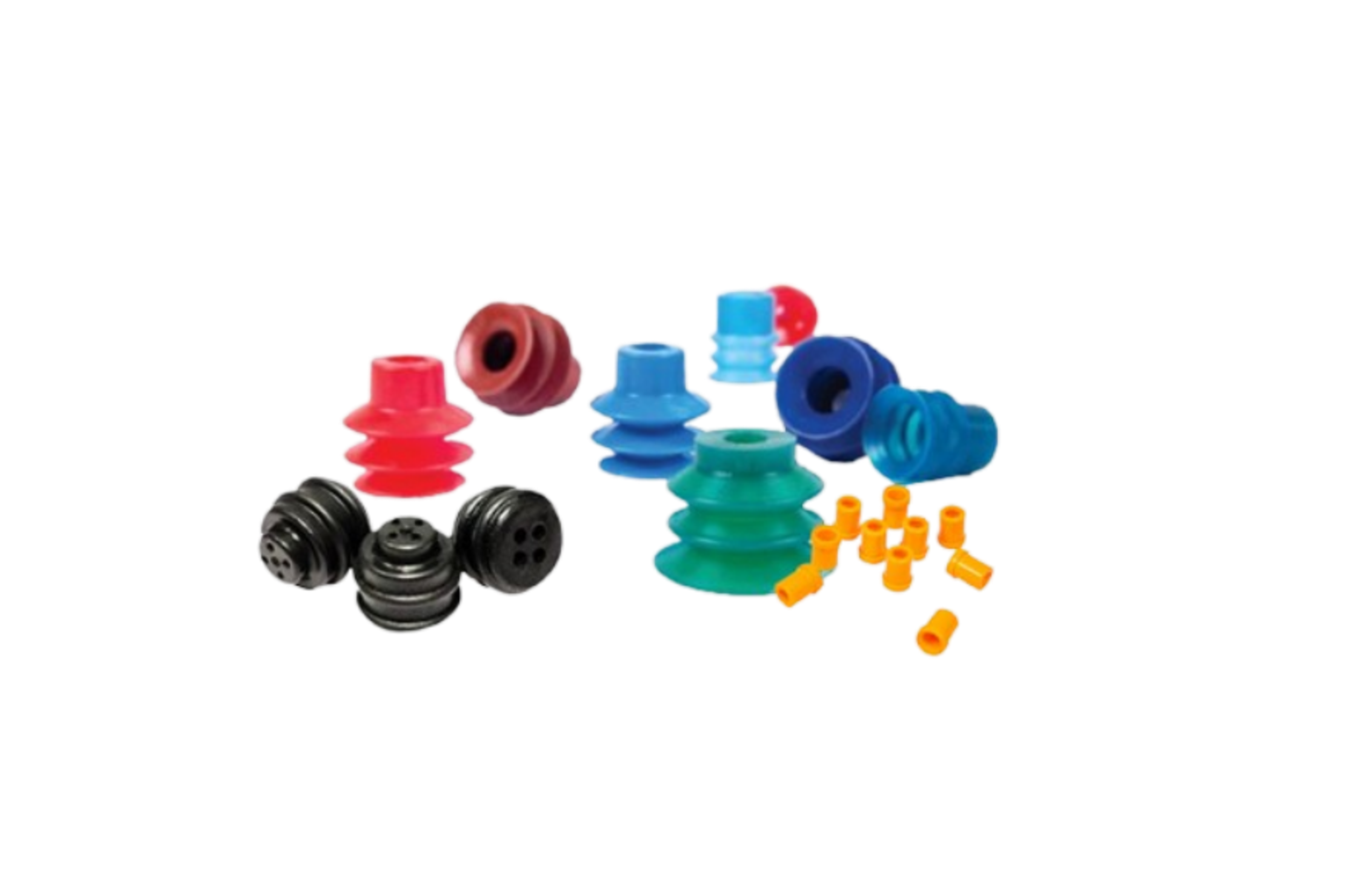
Engineered-to-order solutions
Customized Rubber Components
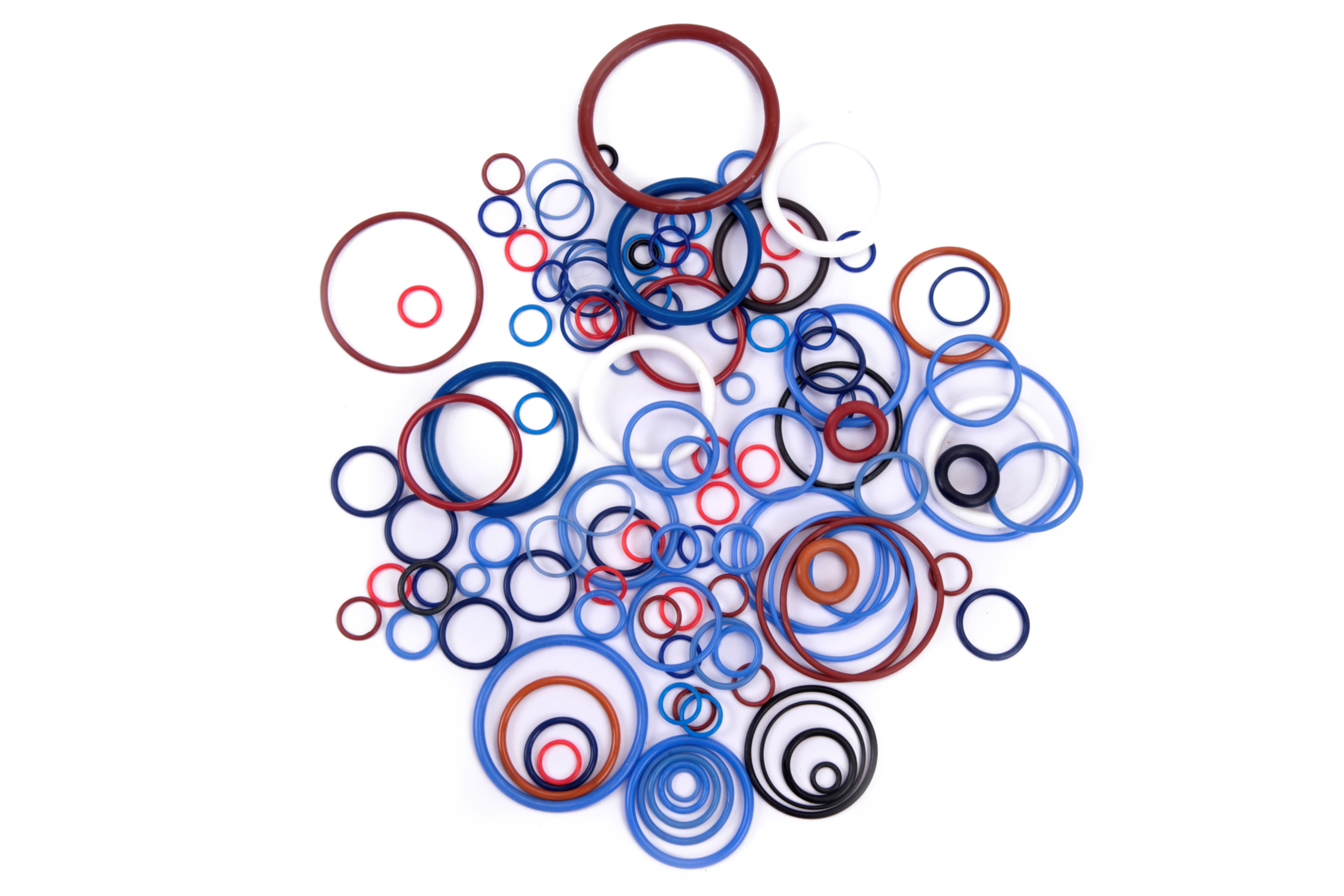
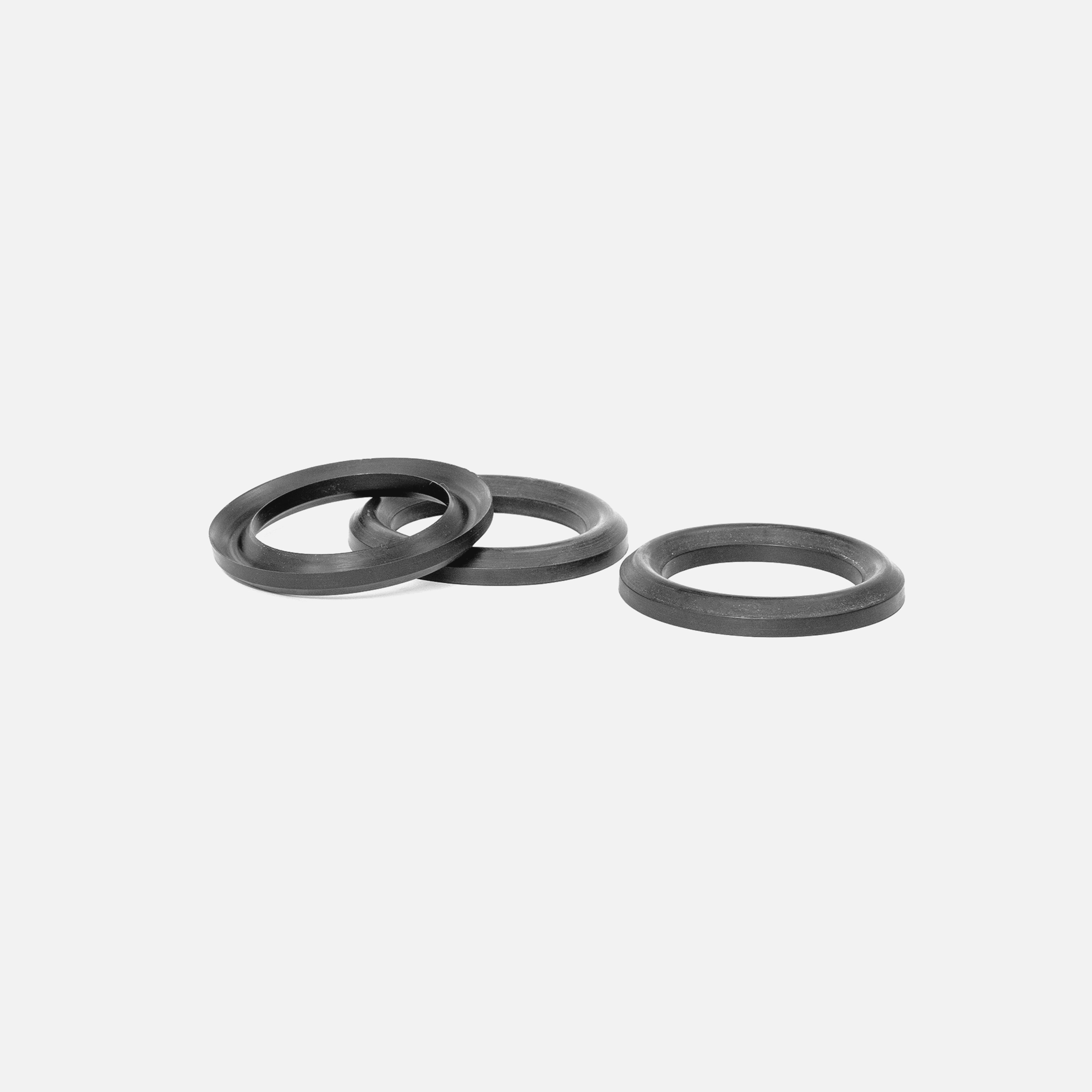
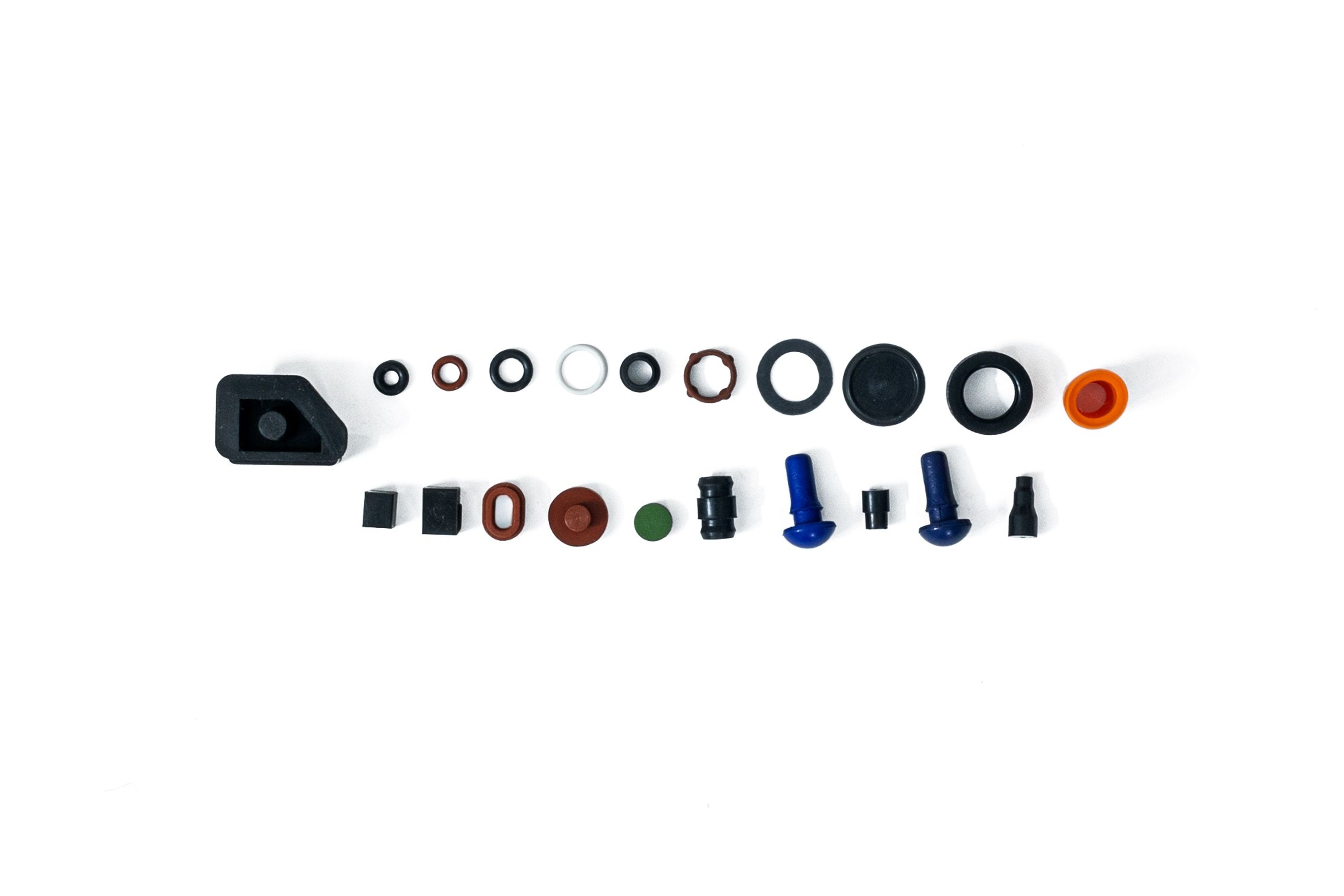
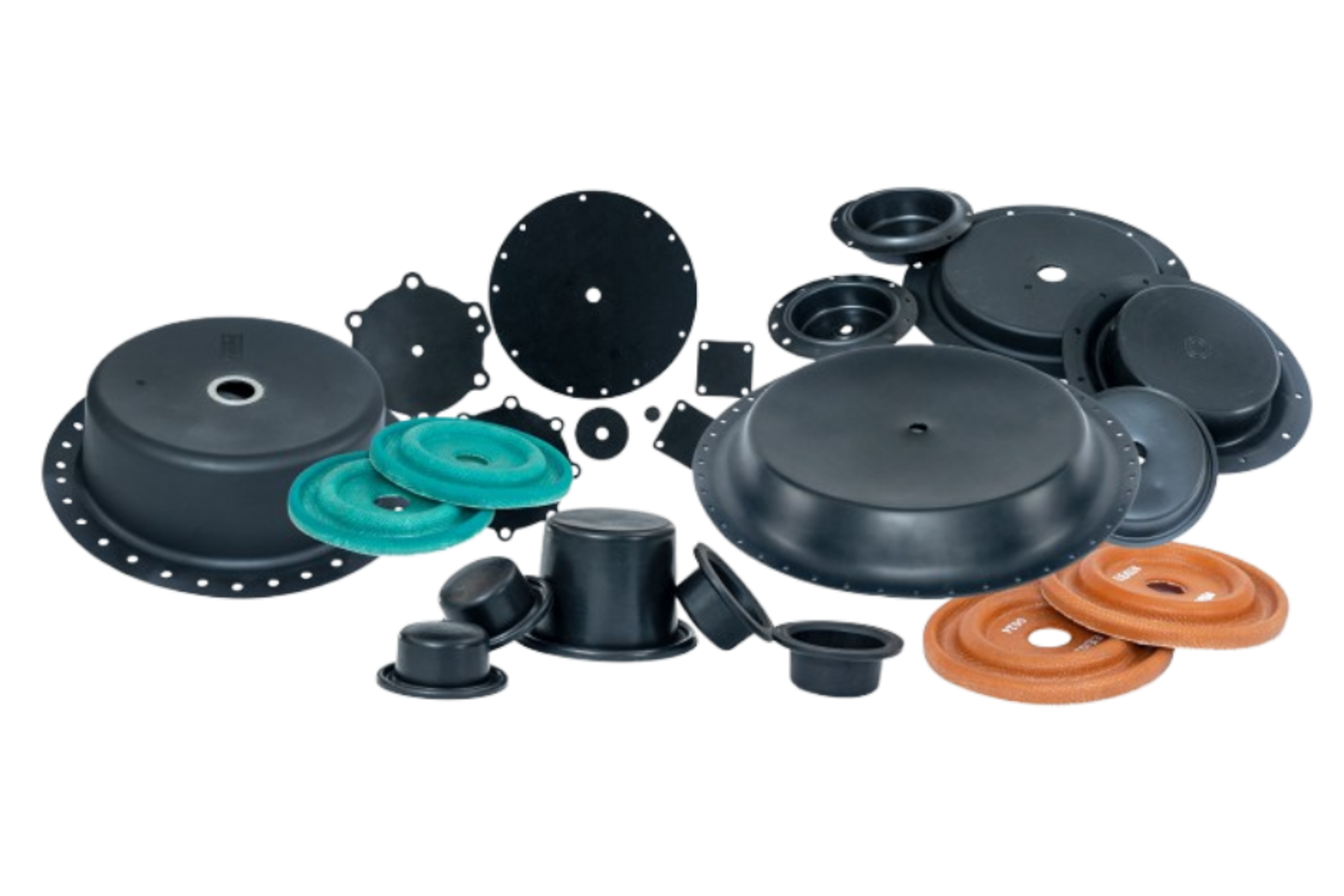
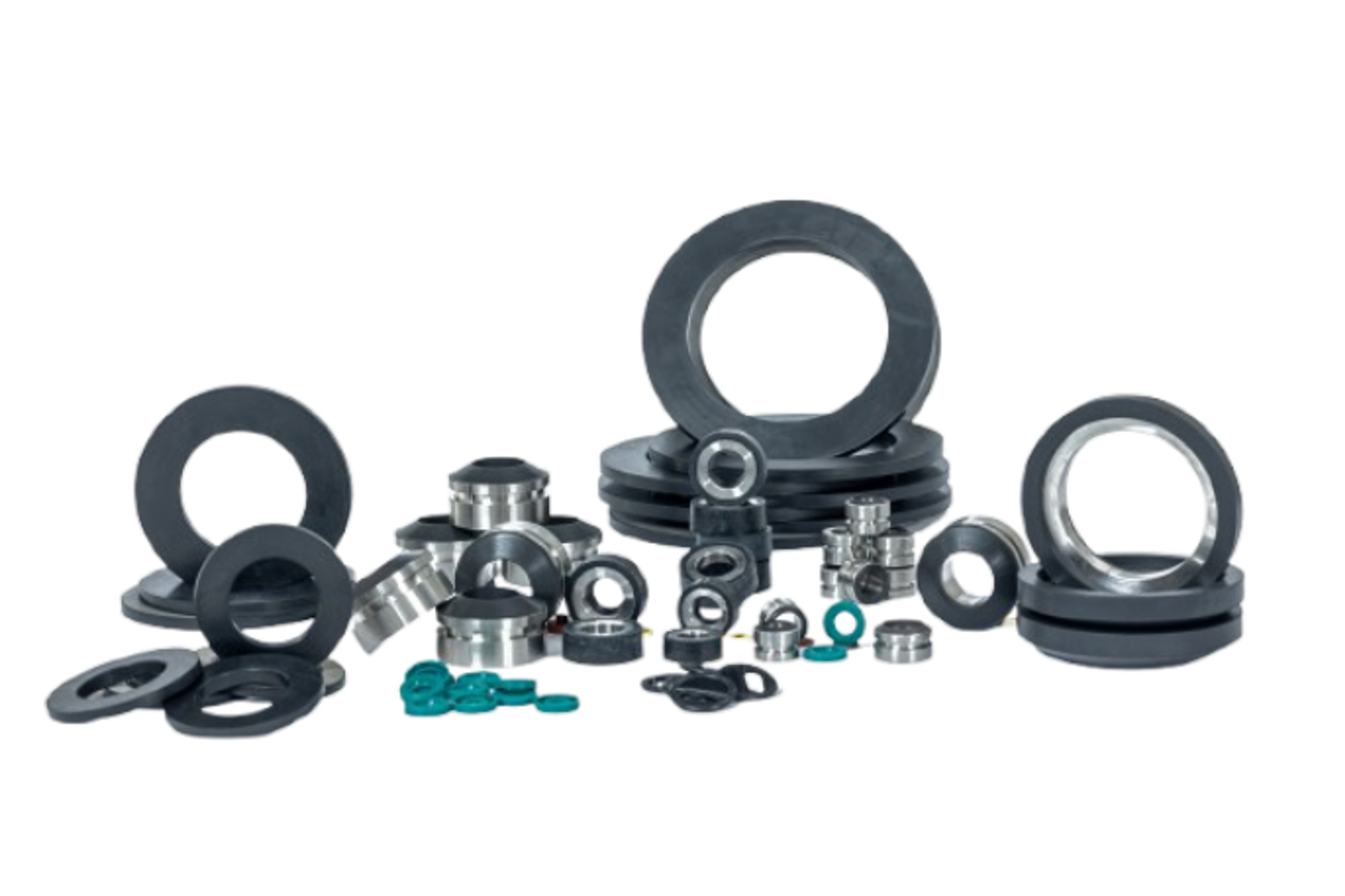
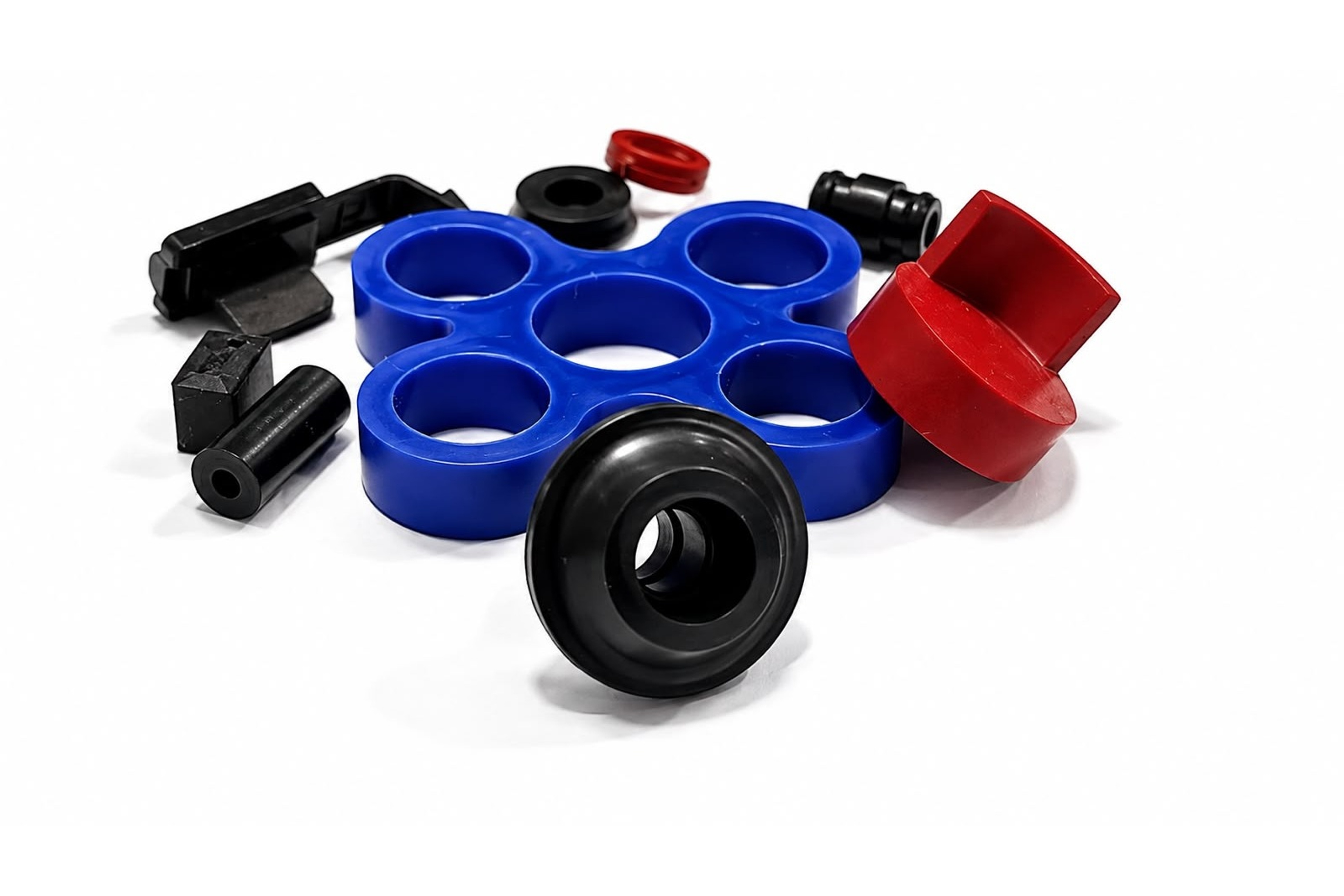
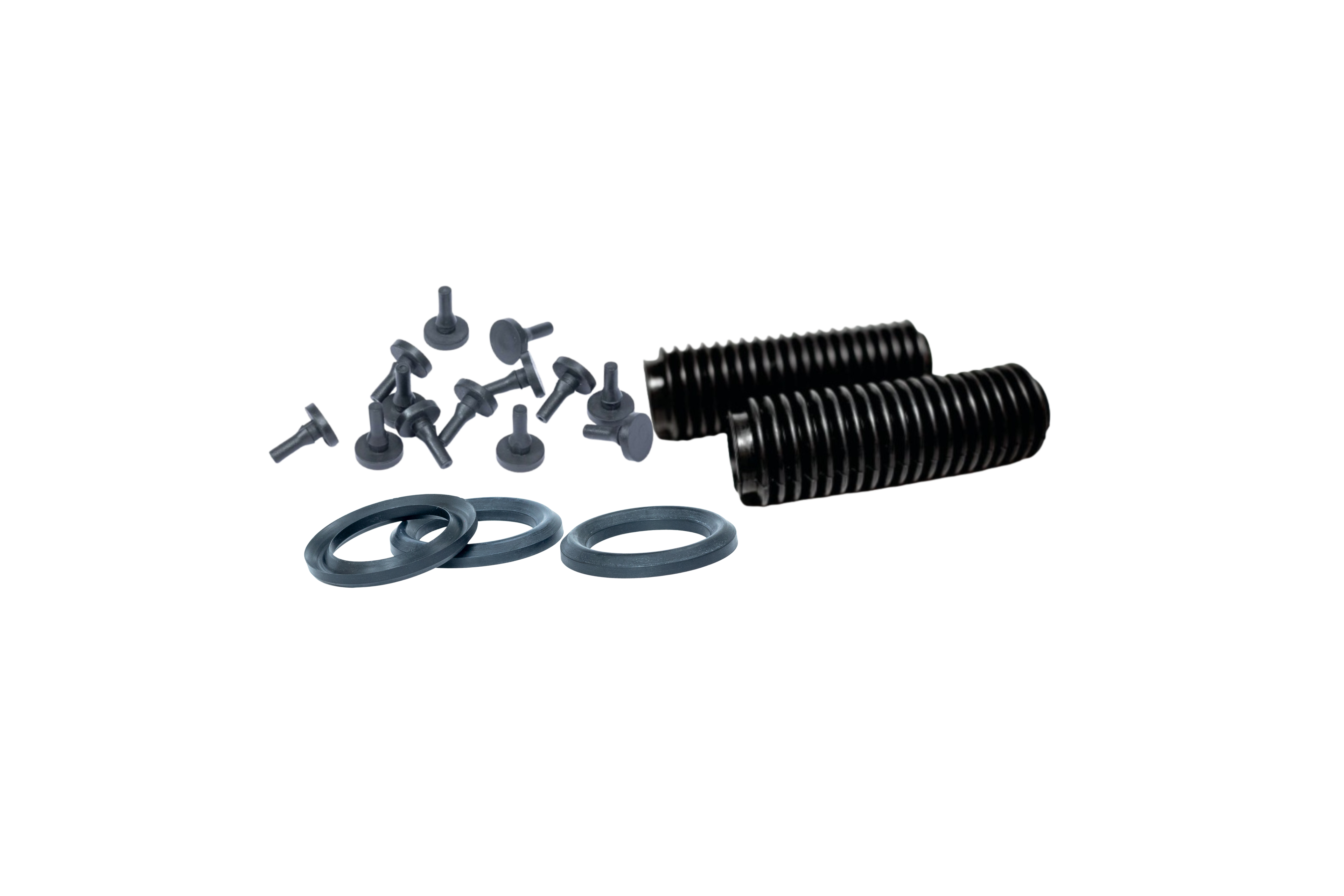
At Harkesh Rubber LLP, we understand that every application is unique. Apart from customized sizes, certain rubber parts demand additional personalization, including shapes, materials, and intricate designs. We have successfully reverse-engineered highly complex seals with precise material specifications to meet unique requirements.
Salient Features
Temperature Range
-60°C to +320°C (material dependent)
Dimensional Tolerance
±0.02mm
Expertise in reverse engineering
Compounds formulated specifically for applications
Rapid Prototyping of parts
Size range
1.5mm to 1200mm
REACH, ROHS, EN 549, WRAS
Approved compounds
Flash levels
<0.10mm
What are customized rubber components?
A custom rubber component is any elastomeric part built to your drawing, sample, or performance requirement — not selected from a standard catalog. Harkesh designs and manufactures custom seals, grommets, boots, diaphragms, anti-vibration mounts, and protective covers from 1.5 mm to 1,200 mm, in NBR, EPDM, FKM, Silicone, or specialty compounds, with tolerances to ±0.02 mm. When a standard part won't fit, we make the one that does.
The right starting point is your function — sealing, isolation, protection, or gripping. From there the material, geometry, and manufacturing process follow. The sections below walk through the full development path, from first drawing to production volumes.
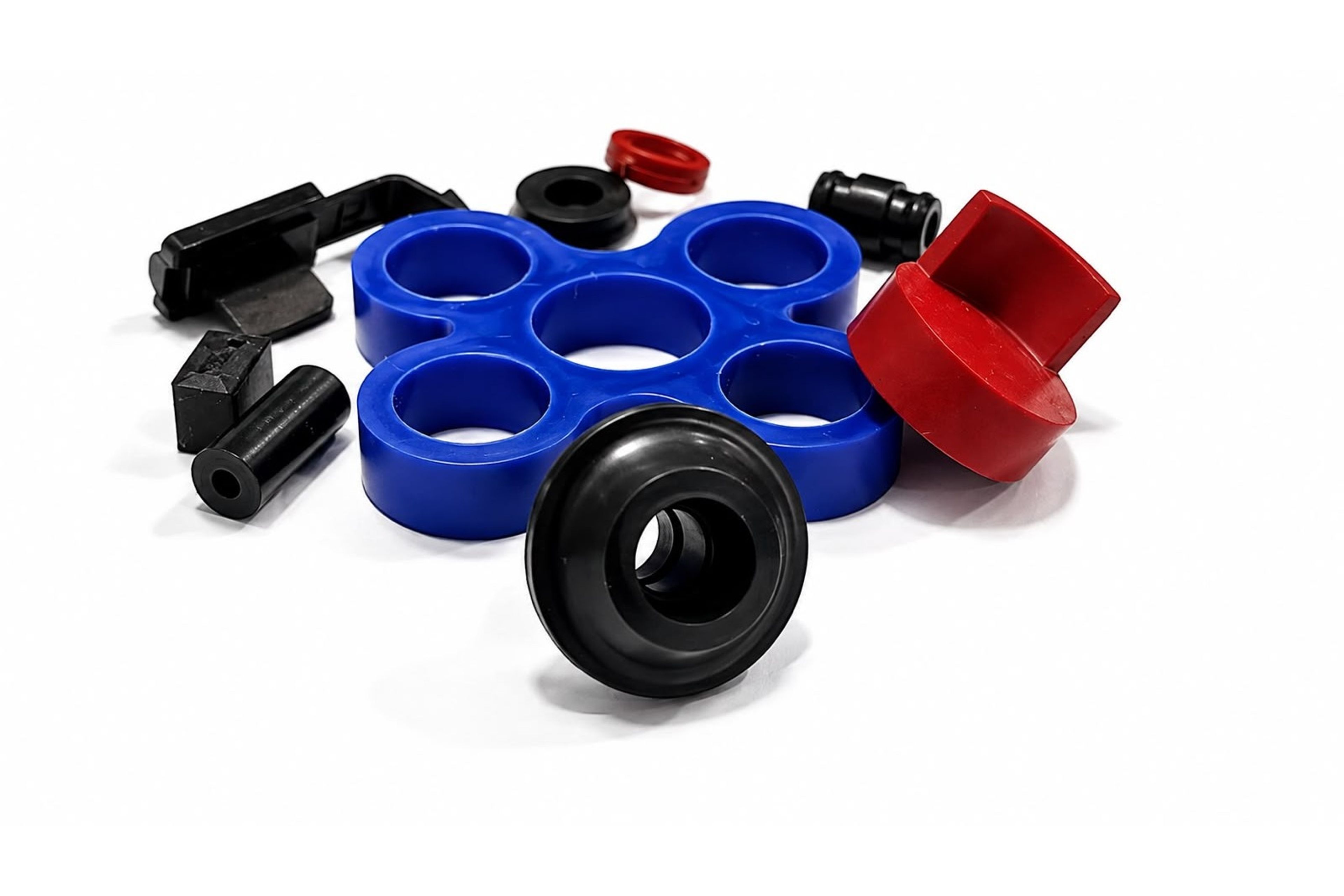
What we can make
Custom Seals & O-rings
Standard and non-standard profiles, any cross-section
Diaphragms
Flat, convoluted, and fabric-reinforced for pumps and actuators
Gaskets
Die-cut and moulded, 8 mm to 1,200 mm
Grommets & Boots
Cable protection, strain relief, ingress sealing
Anti-vibration Mounts
Rubber-to-metal bonded assemblies for shock and noise
Butterfly Valve Seals
Concentric and double-offset designs, any DN size
Micro-precision Parts
Sub-10 mm features held to ±0.02 mm
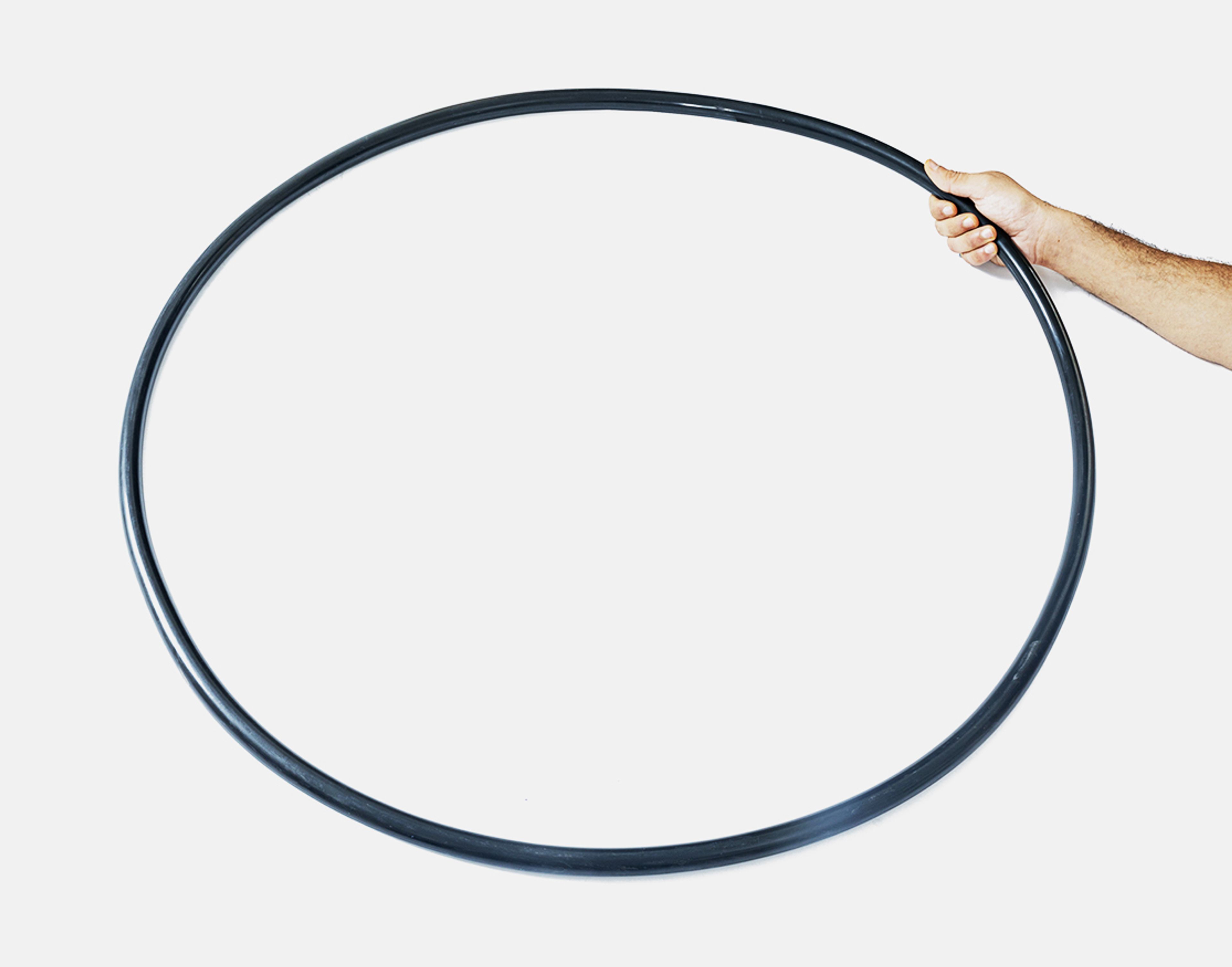
Large-diameter Parts
One-piece moulded up to Ø1,200 mm, no splices
From drawing to delivery in 2–3 weeks
- 01Day 1–2
Consultation
Share your drawing, sample, or performance spec. Engineers review for mouldability and recommend material, geometry, and process. No cost, no commitment.
- 02Week 1–2
Tooling & Prototype
Mould designed and cut in-house. First samples produced in compression or transfer mould and dispatched for your evaluation.
- 03Week 2–3
Validation
Dimensional inspection (CMM/optical), functional testing, compound verification. Iterate until approved.
- 04From Week 3
Production
Scale to your volume — 100 to 100,000+ parts/month — with SPC tracking and 100% incoming inspection.
Reproduce any part even without drawings
When a supplier closes, drawings are unavailable, or a part needs improvement, we can reproduce it from a physical sample. Reverse engineering typically takes 2–3 weeks from sample receipt to first matched parts.
- 01
Measure & scan
Sample is measured with CMM and 3D-scanned to capture all geometry and tolerances.
- 02
Compound identification
Hardness, density, and compound type tested. Elastomer family (NBR, EPDM, FKM, etc.) identified.
- 03
Formulation match
Equivalent or superior compound selected from approved formulations. Documented against original performance.
- 04
Tool & produce
Mould cut, first samples produced and validated against the original. Full production follows approval.
Reverse engineering carries no drawing requirement — send us a clean sample and we handle the rest.
Have a drawing or sample? Our engineers will quote within 24 hours.
Request a custom quote →How to specify a custom component
Define the function
Sealing, vibration isolation, gripping, or protection? The function sets the design direction and narrows the material family.
Document the geometry
Send a 2D/3D drawing or physical sample. Include critical tolerances, draft angles (1–3°), and any undercut constraints.
Select the elastomer
NBR for oil/fuel, EPDM for water/weathering, FKM for chemicals/heat, Silicone for temperature extremes or biocompatibility.
Choose the process
Prototypes and <100 parts: die-cut or machined. 100–1,000: compression moulded. 1,000+: transfer or injection moulded for best economics.
Validate the prototype
Dimensional check (CMM/optical) + functional test + media soak if required. Approve before committing to production tooling.
Scale to production
Share your forecast. We optimise cycle time and compound formulation for the best cost-per-part at your volume.
Common custom-part failures and how to avoid them
Dimensional Variation
Variations beyond specified tolerances can lead to improper fit, inconsistent sealing, or assembly difficulties, particularly in precision applications.
Fatigue Failure
Repeated cyclic loading gradually weakens the material, eventually resulting in cracks or complete mechanical failure.
Industries we serve
Manufactured in-house, not resold
Diameter range
Dimensional tolerance
Units per month
Manufacturing since
FAQ
Find answers to common questions about our products and services.
We produce custom rubber seals, custom gaskets, and specialized components designed for demanding industrial applications.
Yes. We specialize in reverse engineering and can recreate complex rubber parts with accurate material and dimensional matches.
We can produce components from 1.5 mm up to 1200 mm in diameter.
All compounds are REACH, ROHS, EN 549, and WRAS-approved.
Yes. Depending on the material selected, custom gaskets can withstand temperatures from –60°C to +320°C.