High-Tolerance O-Rings for Static and Dynamic Sealing
Precision O-Rings
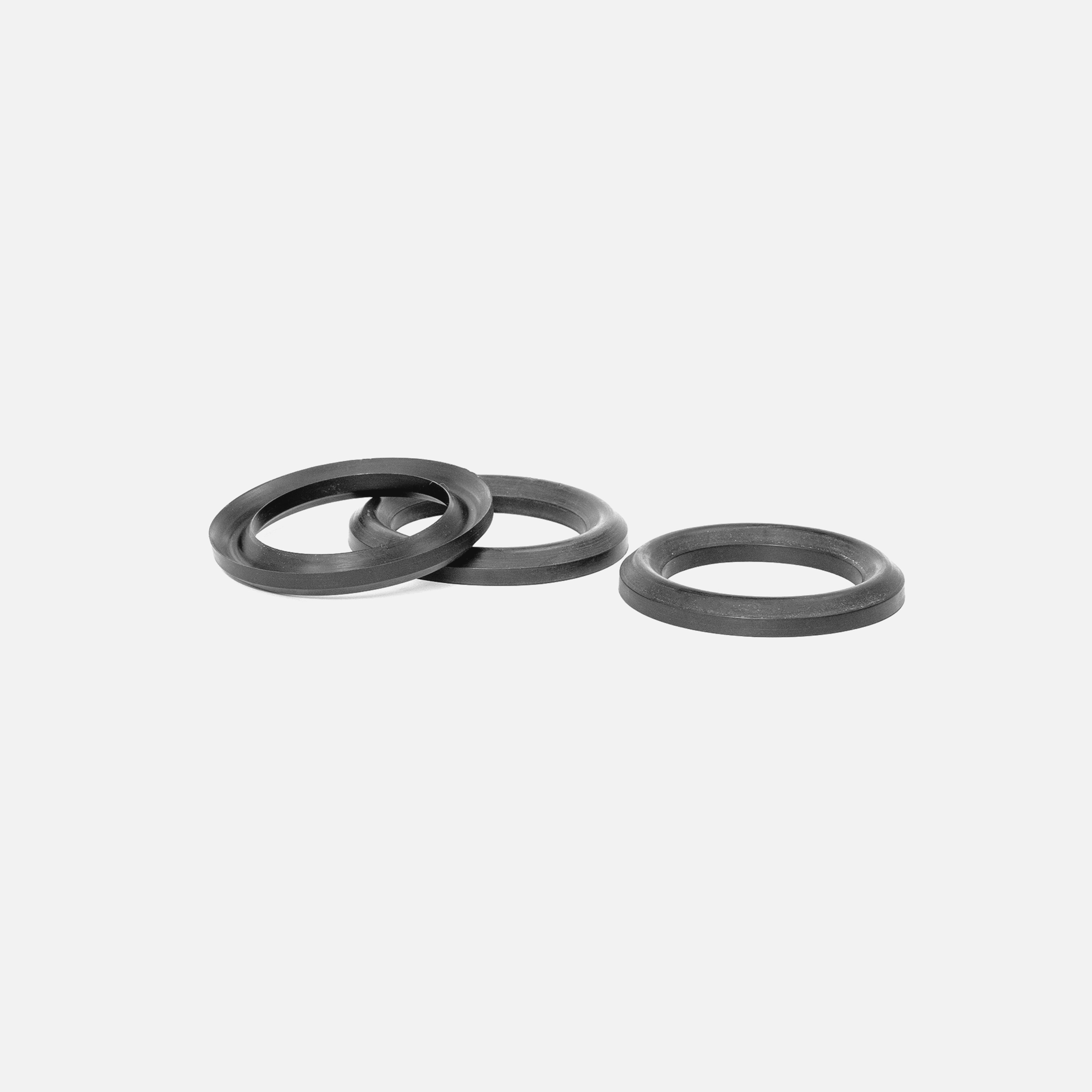
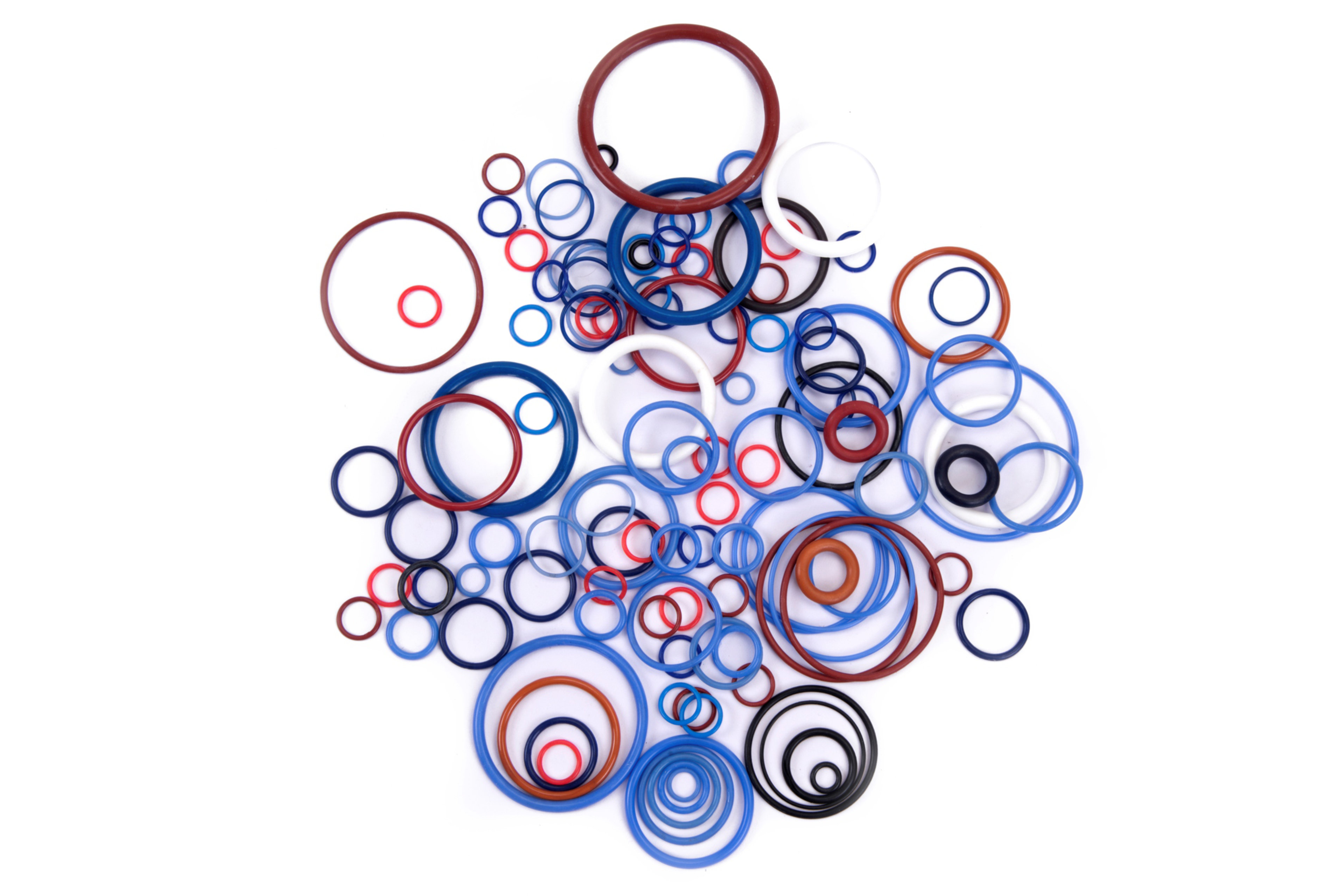
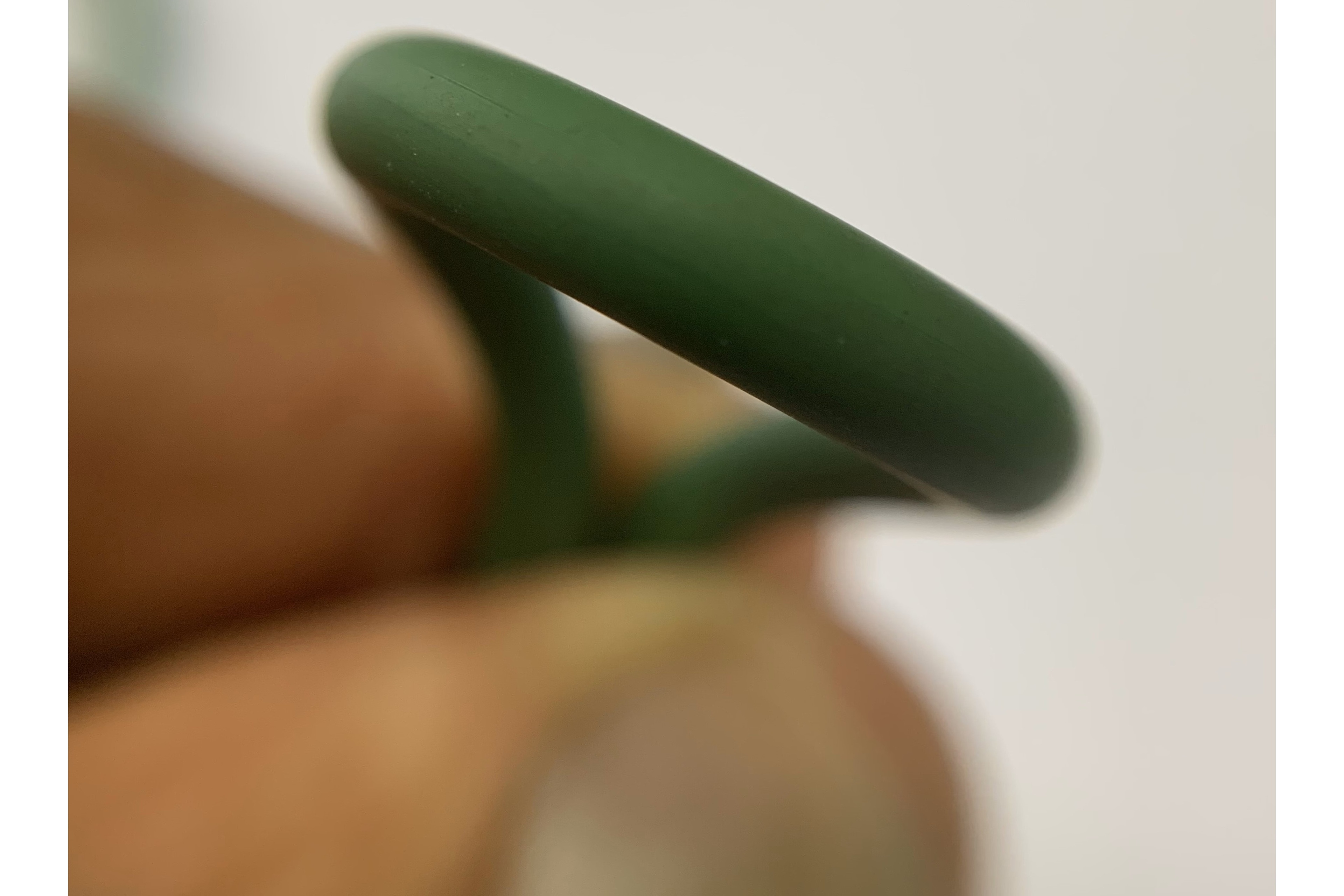
An O-ring is a round rubber seal that sits in a groove and gets squeezed between two parts to stop fluids or gases escaping. It's the most widely used seal in engineering — simple, compact, seals in both directions, and cost-effective.
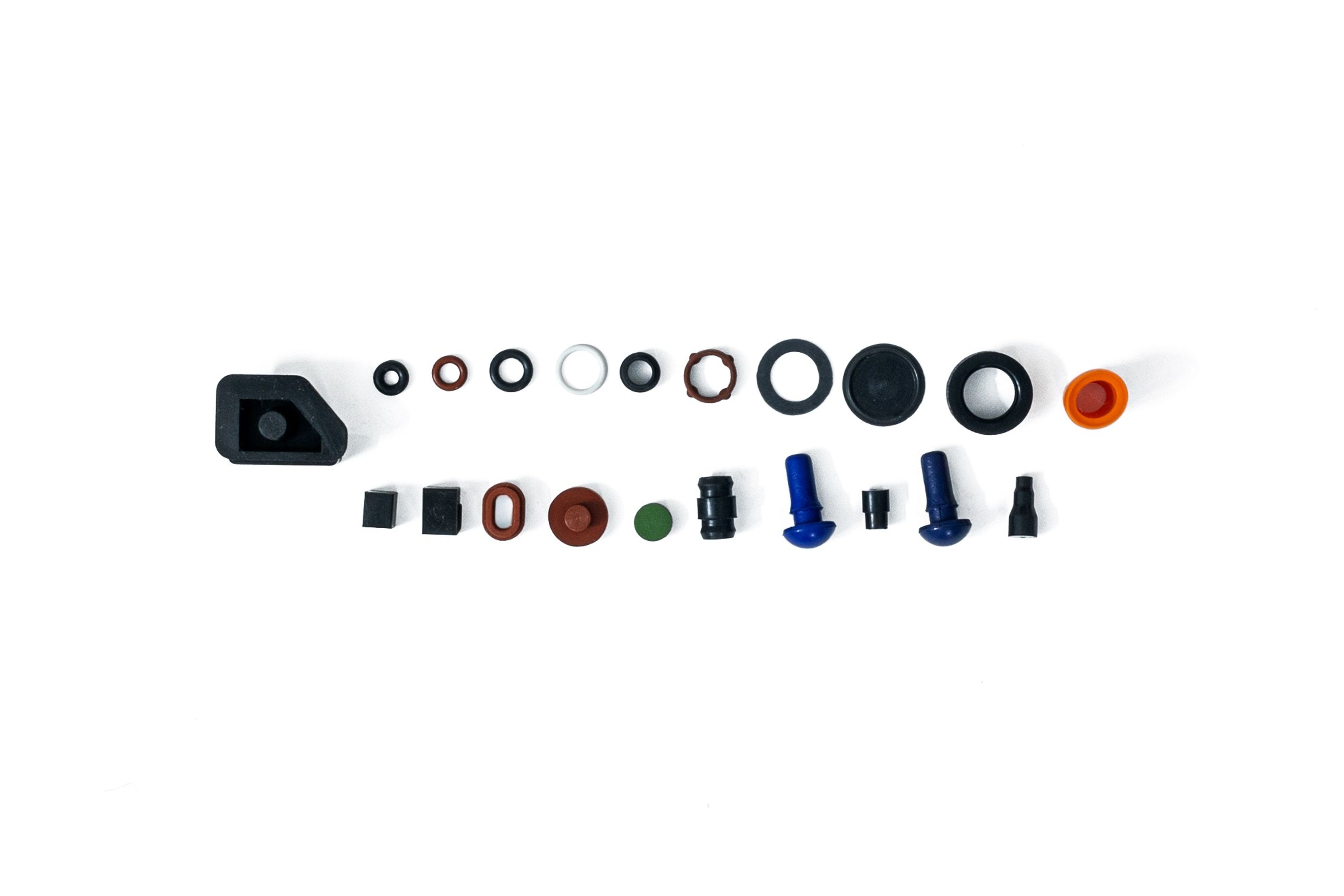
At Harkesh Rubber, we make O-rings built to seal reliably even under extreme heat, pressure, and harsh chemicals. Every piece is cryogenically deflashed and checked on a DOSS automated visual inspection system, so what you receive is precise and defect-free.
Salient Features
Cryogenically Deflashed
Flashless O-rings
Millions
O-rings per/day
Inspected on DOSS automated visual inspection machines
Temperature range
-60°C to +320°C
Shore hardness
40–90 ShA
REACH, ROHS, EN 549, WRAS
Approved compounds
What is an O-ring?
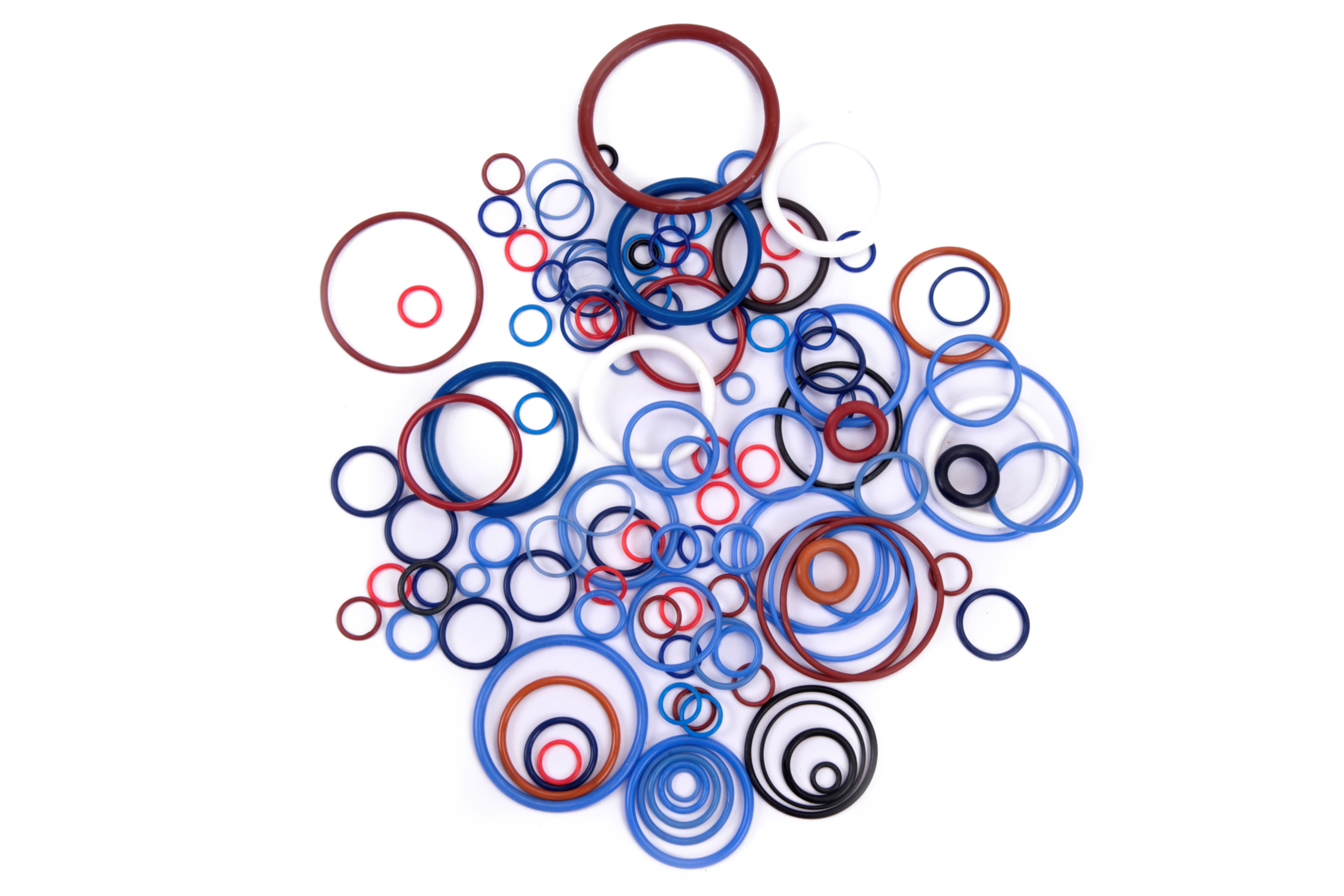
An O-ring is a round, torus-shaped elastomer seal seated in a groove and compressed between two parts to prevent the escape of fluids or gases. It is the most widely used seal in engineering because it is bidirectional, compact, and economical.
Sealing performance depends on three choices: the elastomer compound (matched to the medium and temperature), the cross-section and groove geometry (sized per ISO 3601), and the hardness. The sections below cover each, with the data and tools to specify confidently.
Material Properties
| Properties | NBR | EPDM | CR | VMQ | FKM | HNBR | FVMQ | FFKM |
|---|---|---|---|---|---|---|---|---|
| Common Name | Buna-N, Nitrile | Ethylene Propylene | Chloroprene | Silicone | Fluorinated Hydrocarbon | Hydrogenated Nitrile | Fluorosilicone | Per Fluoroelastomer |
| Trade Name | Oilace, Mincar, Chemigum, Hycar | Nordel, Epcar, Vistalon, Coyaene | Neoprene, Matchless, Mirprene | Thermoflex Silastic | Viton, Fluorel, Vi-chem | Therban Tornac, Zetpol | Fluorosilicone LS | Chemraz |
| Chemical Definition | - | Ethylene Propylene Diene Co & Terpolymer | Poly-chloroprene | Polydim-ethylsiloxane | Vinylidiene Fluoride Hexa-fluoropropylene | Hydrogenated Butadiene Acrylonitrile | Fluorovinyl Methyl Siloxane | Per-fluoroelastomer |
| ASTM D-2000 & SAE J 200 | BF BG BK CH | CA BA AA DH | BC BE | FC FE CE | HK | DH | FK | - |
| Minimum Continuous use Temperature (°C) | -40 to -60 | -40 to -50 | -45 | -70 | -30 | -45 | -70 | -28 |
| Maximum Continuous use Temperature (°C) | 120 to 140 | 120 to 180 | 125 | 250 | 275 | 170 | 230 | 230 |
| Low Temperature (°C) | -50 to -65 | -40 | -40 | -60 to -70 | -30 to -40 | -30 to -45 | -65 | -10 to -30 |
| Heat Aging at 100°C | Good | Good-Outstanding | Good-Excellent | Outstanding | Excellent-Outstanding | Outstanding | Excellent-Outstanding | Excellent |
| Aging in Oxygen Ozone & Weather | Poor-Fair | Very Good | Good | Excellent | Very Good-Excellent | Good | Excellent | Good-Excellent |
| FDA Approved Grades Available | Yes | Yes | Yes | Yes | Yes | Yes | Yes | Yes |
AS568 Standard Sizes (tolerances per ISO 3601-1)
| Dash No. | Inside Ø (mm) | Cross-section (mm) | ID Tolerance (mm) |
|---|---|---|---|
| AS568-010 | 6.07 | 1.78 | ±0.13 |
| AS568-014 | 12.42 | 1.78 | ±0.18 |
| AS568-110 | 9.19 | 2.62 | ±0.18 |
| AS568-210 | 18.64 | 3.53 | ±0.25 |
| AS568-325 | 36.09 | 5.33 | ±0.36 |
| AS568-425 | 120.02 | 6.99 | ±0.80 |
Not sure which material fits your application?
Talk to an engineer →How to select the right O-ring
Identify your application
Static or dynamic sealing? Operating pressure and temperature? Chemical media?
Choose the elastomer
NBR for oils, EPDM for water/steam, FKM for chemicals/heat, Silicone for temp extremes.
Size the groove
Calculate squeeze (15-30%), gland fill (60-85%), and select AS568 size or custom dimensions.
Specify hardness & tolerance
70 ShA standard; ±0.02mm for precision applications. Match surface finish to seal type.
Common O-ring failure modes
Chemical attack
Swelling/softening from incompatible media. Fix: choose correct elastomer.
Compression set
Permanent deformation from excessive heat/compression. Fix: upgrade compound or reduce squeeze.
Extrusion
Seal forced into clearance gap. Fix: reduce gap, increase hardness, or add backup ring.
Abrasion
Wear from dynamic motion or rough surface. Fix: improve finish, add lubrication, or use harder compound.
Manufactured in-house, not resold
Molding seals since
Inside-diameter capability
Shore A durometer range
Standards & quality systems
FAQ
Find answers to common questions about our products and services.
Our O-rings are used in engineering systems, valves, pumps, water applications, chemical processing, instrumentation, and other industrial sealing needs.
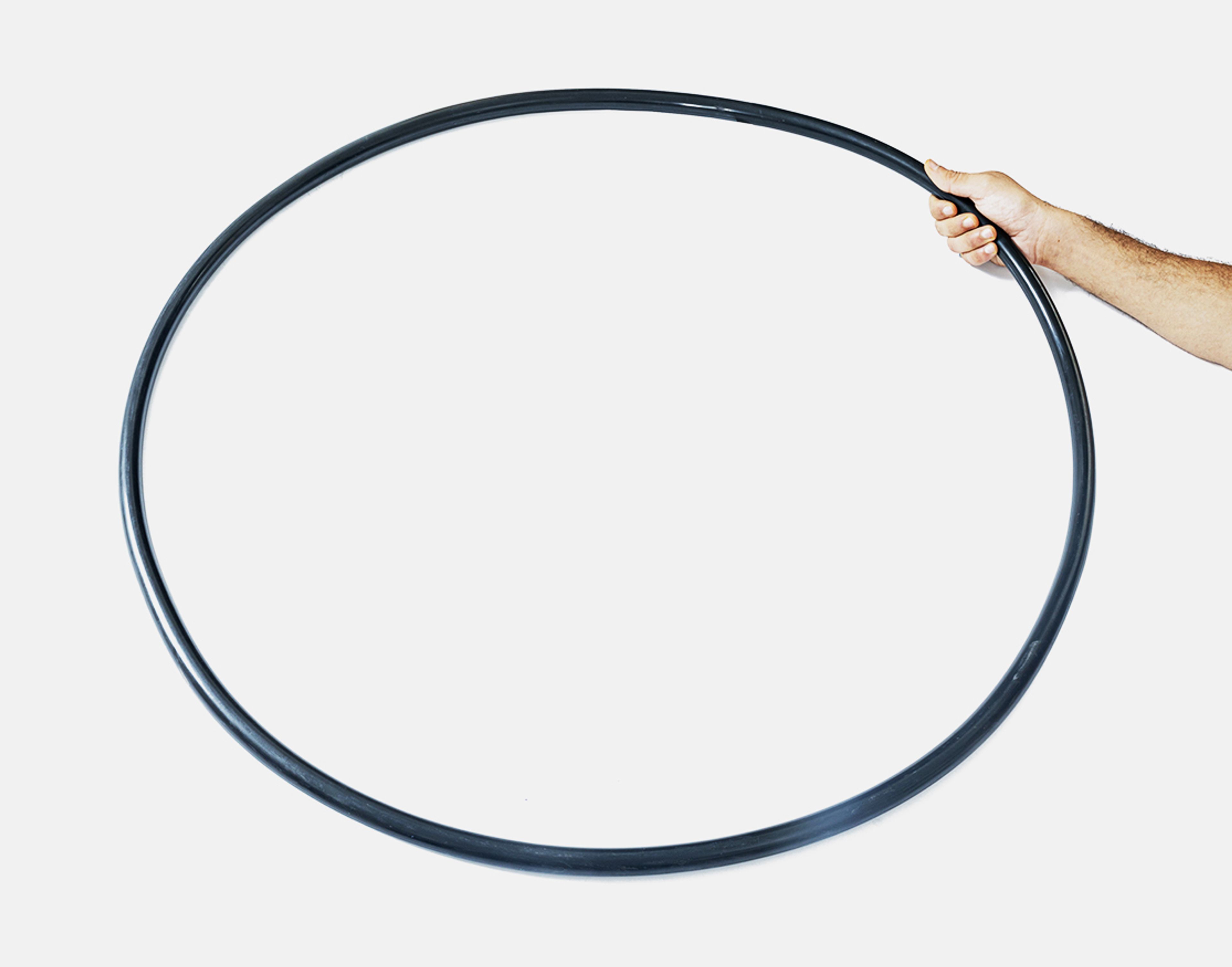
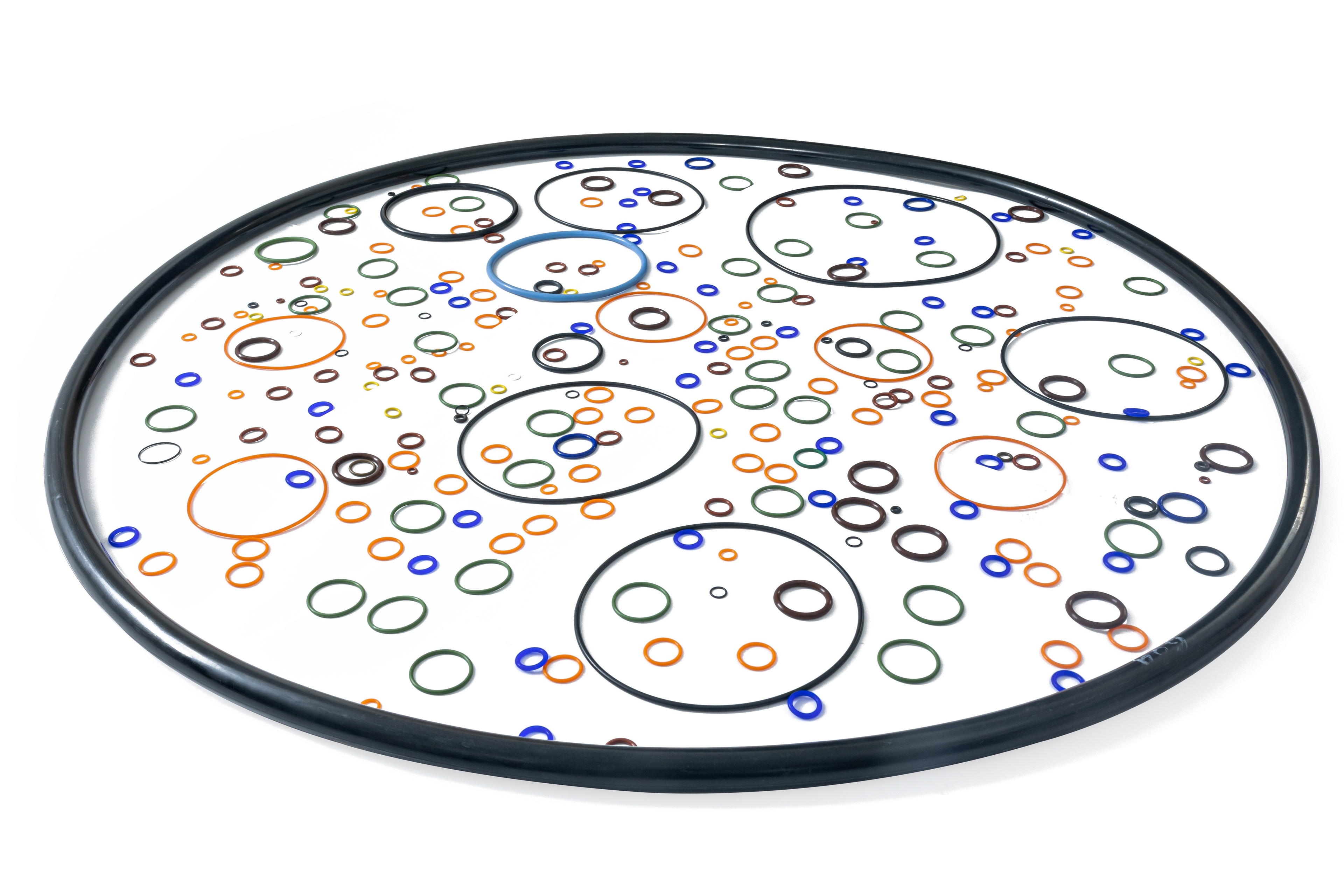
We manufacture O-rings from 1.5 mm up to 1200 mm, maintaining tight tolerances for accurate sealing.
Every O-ring is cryogenically deflashed and checked on a DOSS automated visual inspection machine to ensure a clean finish and defect-free performance.
Depending on the chosen elastomer, the operating range can vary from –60°C to +320°C.
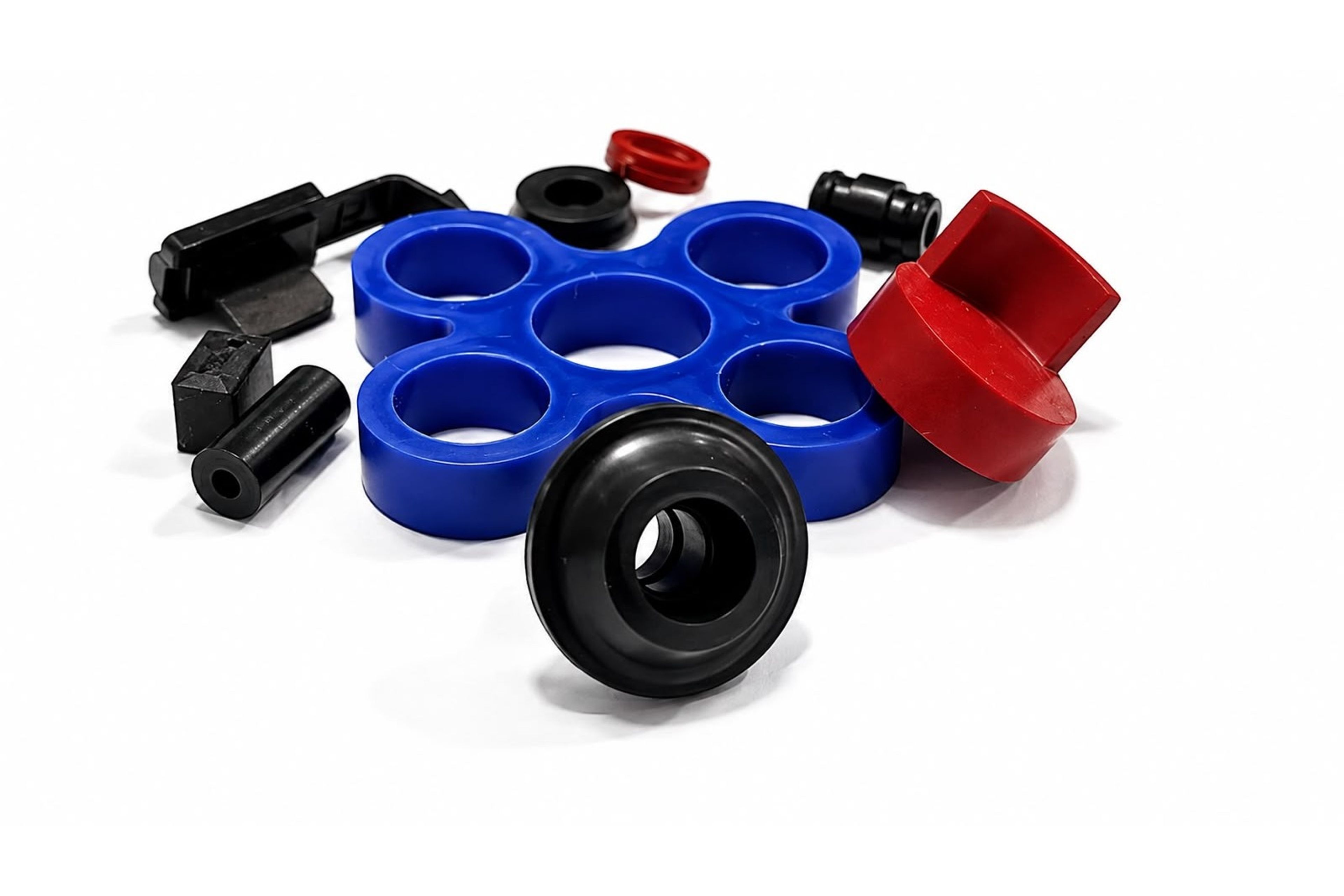
Yes. We offer hardness from 40–90 ShA and multiple color options based on application and material requirements.